
Bottle drawn in the shade of the fragrance
Stéphane Humbert Lucas 777The 777 Collection
Rose de Petra
Eau de parfum · Stéphane Humbert Lucas
A philtre of Bulgarian rose, fruity and spicy, in the image of the rose-red city of Petra.
- Family
- Floral
- Perfumer
- Stéphane Humbert Lucas
- Year
- Not disclosed
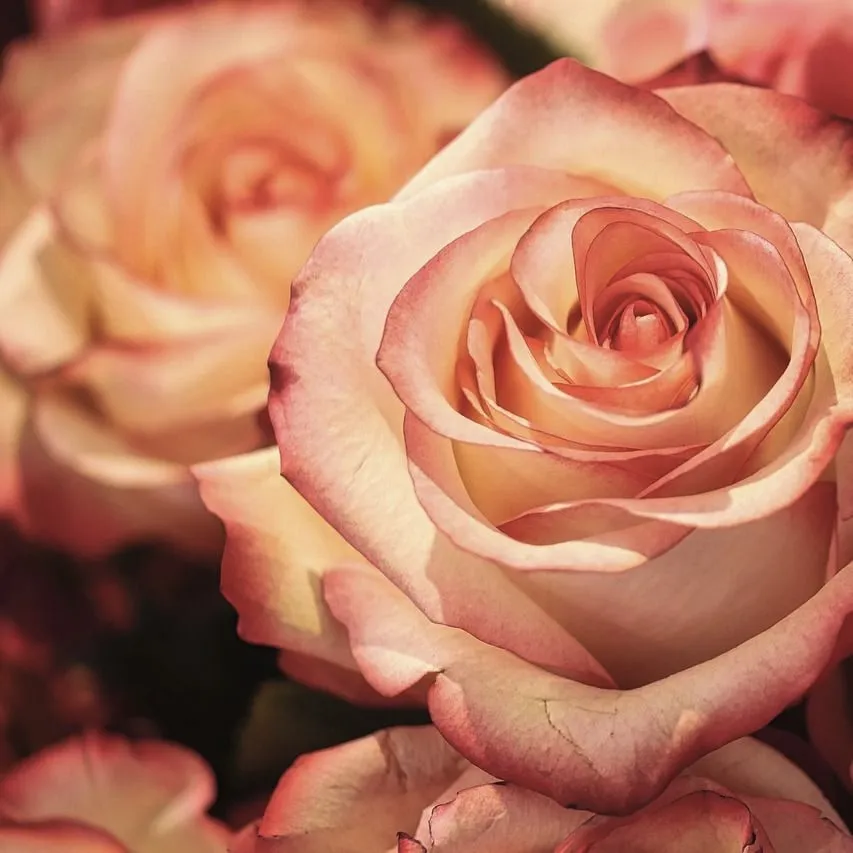
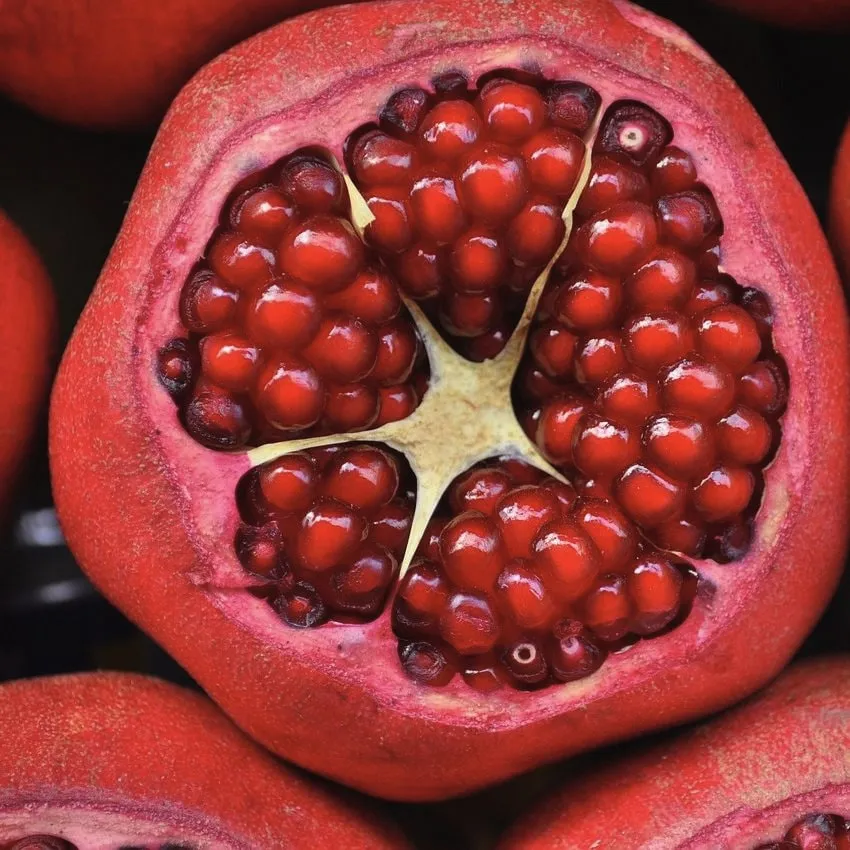
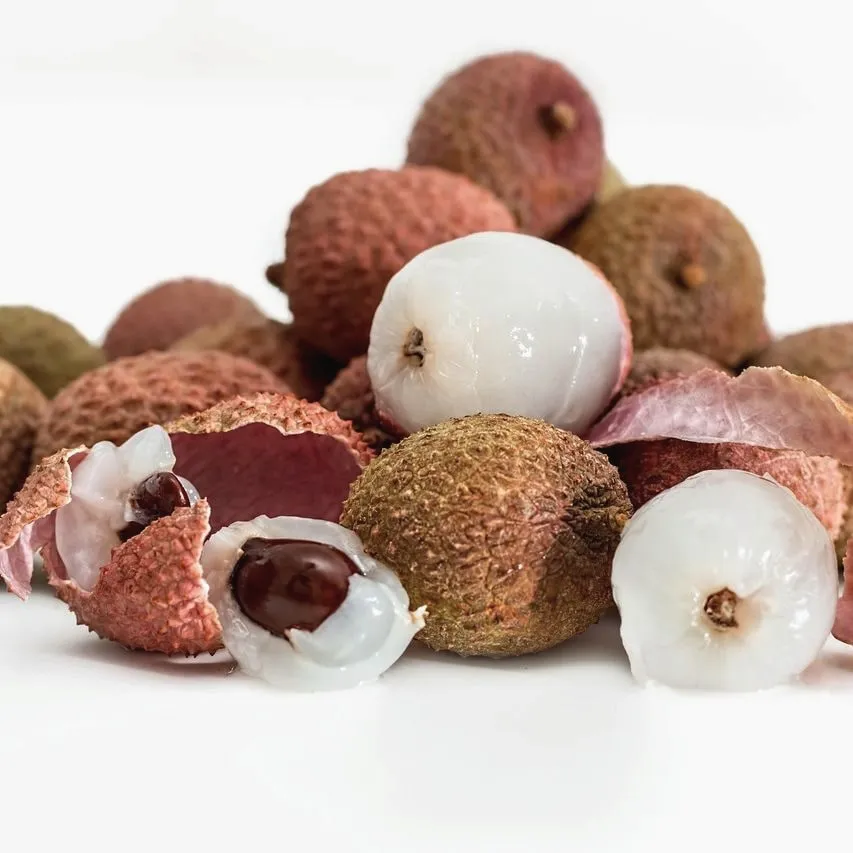
Rose de Petra is inspired by the Jordanian city carved from rose-tinted stone. The rose first appears fruity, brightened by pomegranate and lychee.
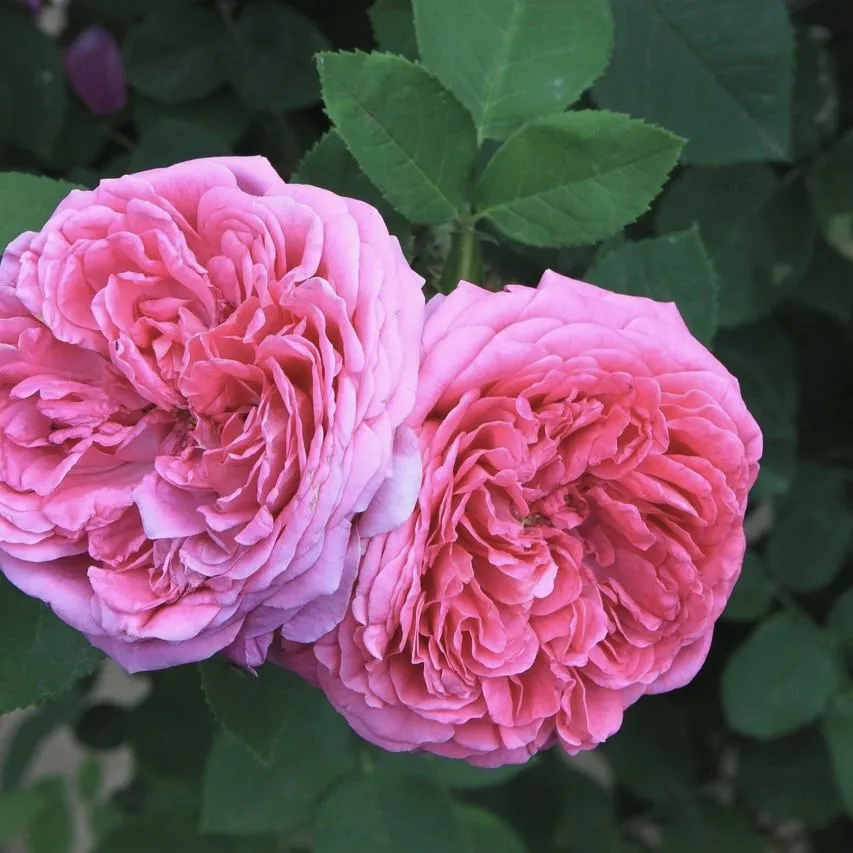
Then Bulgarian rose blooms, generous and silky, before a base of pepper, cardamom and cumin sets a warm, spicy contrast against it. An androgynous, mystical rose, far from traditional rose essences.
Olfactory pyramid
- TopThe first minutes
- HeartThe signature
- BaseThe trail
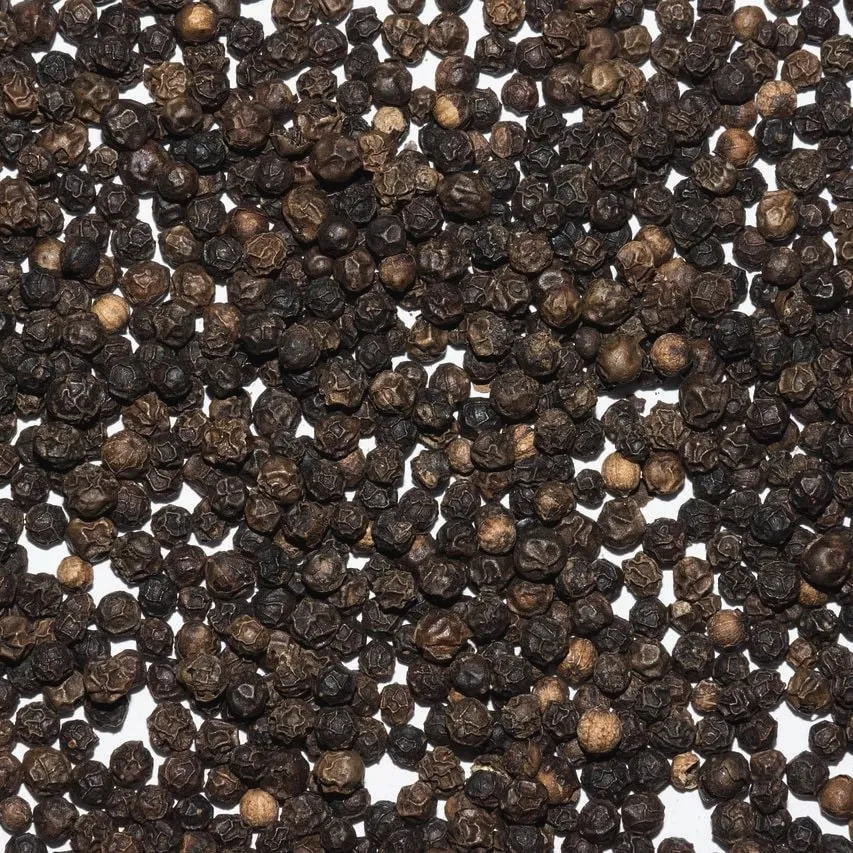
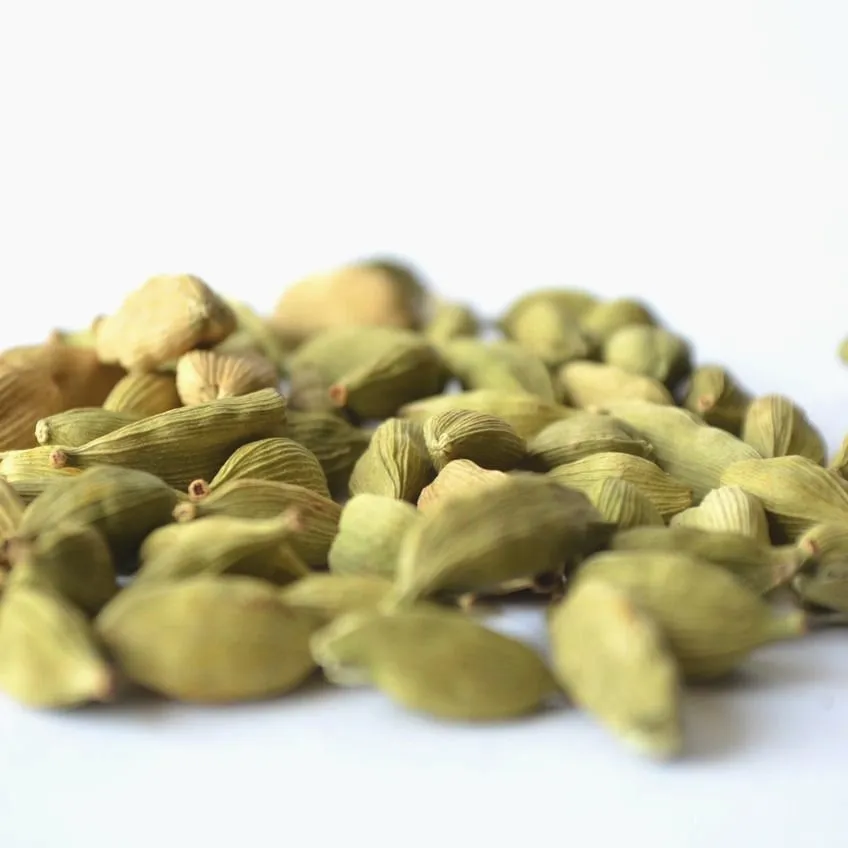
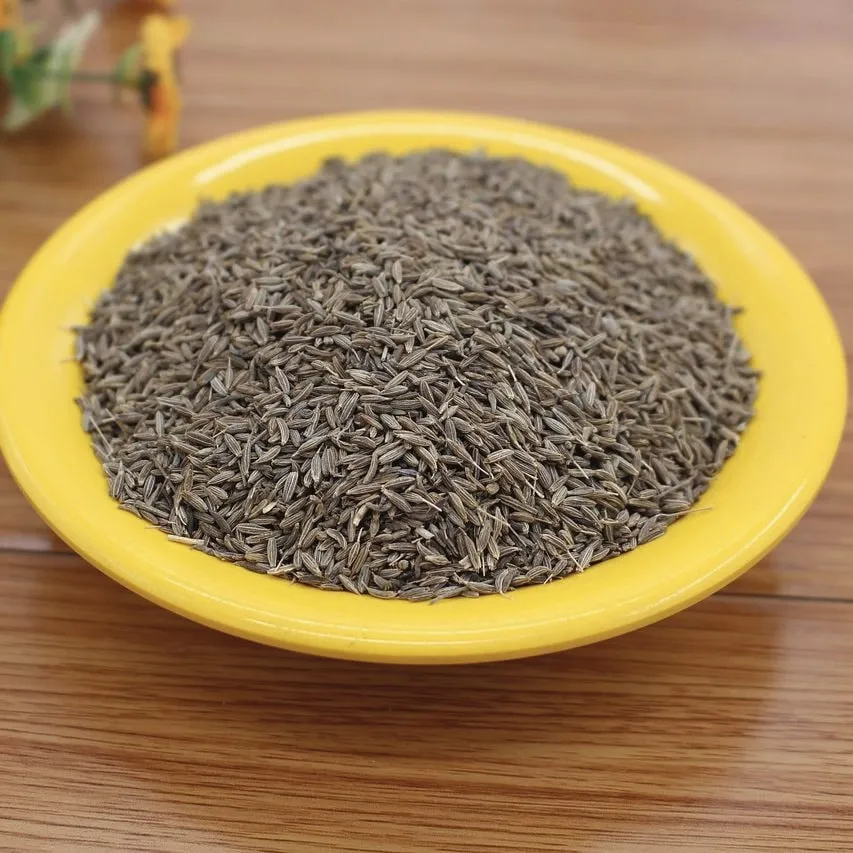
Notes as published by the house. official source (new tab)
Main accords
Volute’s reading: the intensity of each accord.
Seasons
- Spring
- Autumn
Moments
- Day
- Night
Rose de Petra in detail
Stéphane Humbert Lucas composes his fragrances like paintings, and his 777 Collection draws on his travels in the Middle East. Rose de Petra takes its inspiration from the rose-red city of Petra, in Jordan, and turns it into a fruity, spicy rose potion.
The official pyramid opens on rose, pomegranate and lychee, a fruity, juicy start. The heart is devoted to Damask rose, richer and more velvety. The base surprises with spices rather than woods: pepper, cardamom and cumin give the rose a dry, slightly wild warmth.
Rose de Petra is worn in spring and autumn, by day or by night: at the office, at a dinner, or for an evening when you enjoy a spicy rose.
Three florals in our catalogue come close: Melón Malo by Born To Stand Out shares Damask rose and rose, with a honeyed melon; Rose des Vents by Louis Vuitton pairs rose and pepper in a fresher rose; Delina by Parfums de Marly brings together lychee and Damask rose in a sparkling rose.
In our guides
Text written with the help of AI, based on official information from the fragrance houses.