
Note · Green notes
Fig leaf
Ficus carica
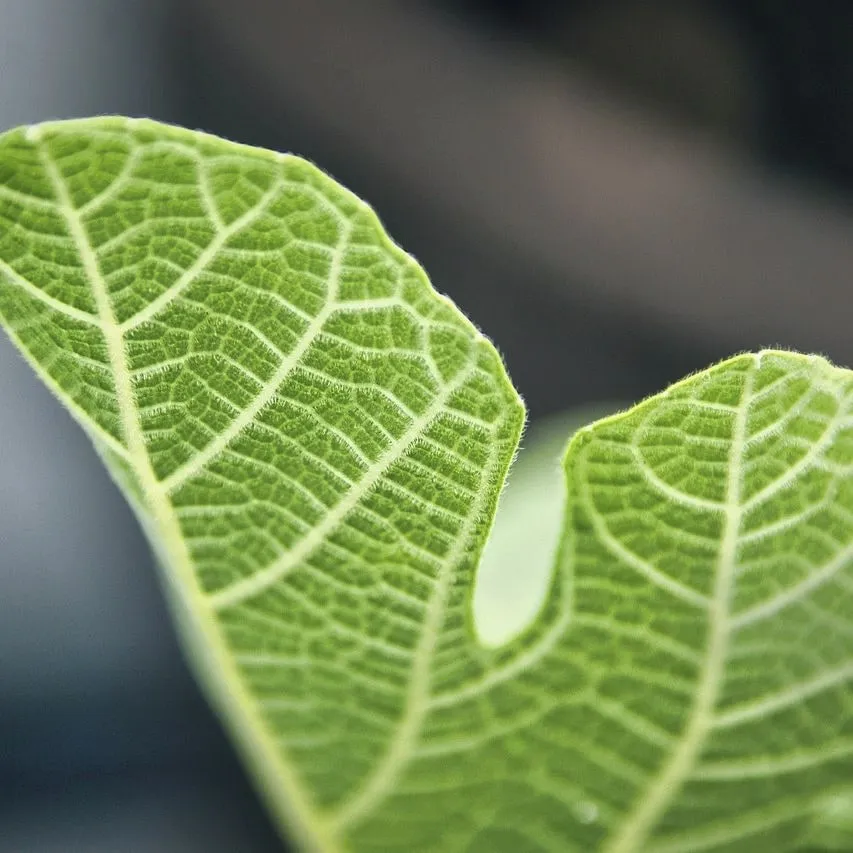
Photo: planet_fox (new tab) / Pixabay (new tab)
Fig leaf evokes a milky, slightly bitter greenness with a coconut facet, like the shade of a fig tree in high summer.
What it brings
A green, milky freshness.
Origins and uses
The common fig, Ficus carica, is a tree of the mulberry family, native to a wide area stretching from the Mediterranean to Central Asia. Its large, rough leaves, cut into three to seven lobes, contain, like the whole plant, a white, irritating latex. When crushed, they give off the scent of figs, and they are macerated to make syrups and liqueurs.
In perfumery, fig leaf is a recreated note. It evokes a milky, slightly bitter greenness, with a coconut facet, like the shade of a fig tree in high summer. It pairs with fig milk and fig wood, pale woods and citrus.
In our catalogue, it appears in two fragrances devoted to the fig tree: Premier Figuier by L'Artisan Parfumeur, with fig and cedarwood, and Philosykos by Diptyque, with fig milk and fig wood.
Text written with the help of AI, based on reference sources: encyclopedias, raw-material manufacturers and official information from the fragrance houses.
Material profile
- Family
- Green notes
- Nature
- Perfumer’s accord
- Botanical name
- Ficus carica
- Origin
- A recomposed note, inspired by the leaves of the fig tree.
- How it is obtained
- Recomposed by the perfumer
- On Volute
- 7 fragrances