
Bottle drawn in the shade of the fragrance
Dzongkha
Eau de toilette · Bertrand Duchaufour
Orris, leather and incense, for a journey to Bhutan.
- House
- L'Artisan Parfumeur
- Family
- Woody
- Perfumer
- Bertrand Duchaufour
- Year
- Not disclosed
Dzongkha, composed by Bertrand Duchaufour, takes its name from the language of Bhutan, the Himalayan kingdom between China and India. The house files it among both its amber and its woody fragrances.
Its three key ingredients are powdery orris, leather and resinous incense. Together they make a dry, smoky woody scent.
Fragrance notes
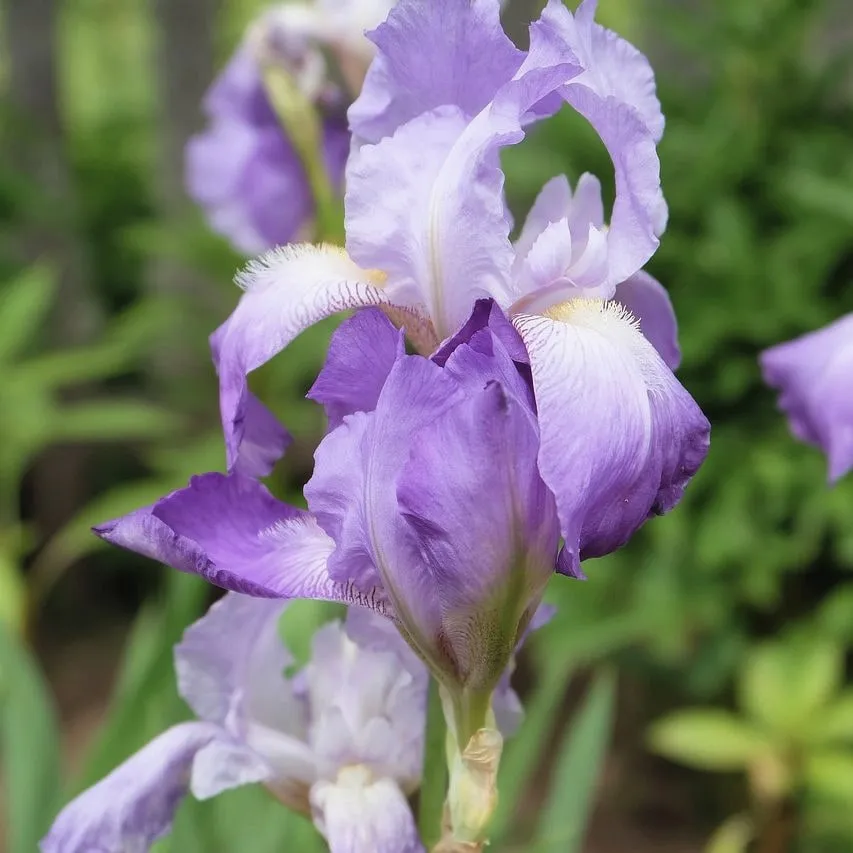
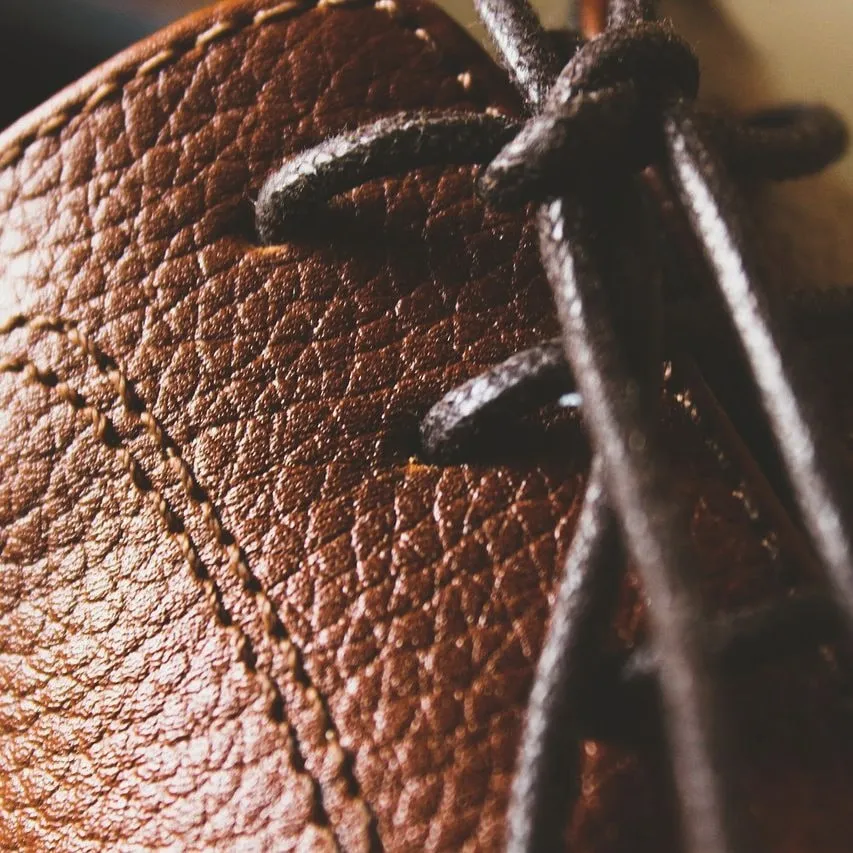

The house names its notes without sorting them into top, heart and base. Notes as published by the house. official source (new tab)
Main accords
Volute’s reading: the intensity of each accord.
Seasons
- Autumn
- Winter
Moments
- Day
- Night
Dzongkha in detail
L'Artisan Parfumeur, the Paris house founded in 1976 by Jean Laporte, counts Dzongkha in La Collection, which gathers its signature scents. Bertrand Duchaufour dedicated it to Bhutan, whose language gives it its name; the house files it among both its amber and its woody fragrances.
The house publishes three key ingredients, without sorting them into stages. Powdery, slightly earthy orris brings a cool, mineral note. Supple leather gives it substance. Resinous, smoky incense recalls the rituals of Himalayan temples.
Dzongkha is worn in autumn and winter, by day or in the evening. It is a dry, meditative woody scent, airier than it seems, for lovers of incense without heaviness. It suits the office as well as a quiet evening.
Three woody fragrances in our catalogue share its materials: Dia Man by Amouage brings together incense, orris and leather; 1996 by Byredo pairs leather and orris; Citizen X by Ex Nihilo combines orris and incense.
Text written with the help of AI, based on official information from the fragrance houses.