
Bottle drawn in the shade of the fragrance
Eau de Minthé
Eau de parfum
A fougère reinvented around mint, under the sign of a Greek nymph.
Eau de Minthé takes its name from a figure of mythology, the nymph Minthe, and makes mint the starting point of a present-day fougère, one of perfumery's great classics.
The house gives four notes, without tiers: patchouli, geranium, mint and rose oxide. Mint brings its herbaceous freshness, geranium a floral liveliness, and patchouli grounds the whole in a darker material. A light fougère born of a legend.
Fragrance notes
- NotesThe materials named
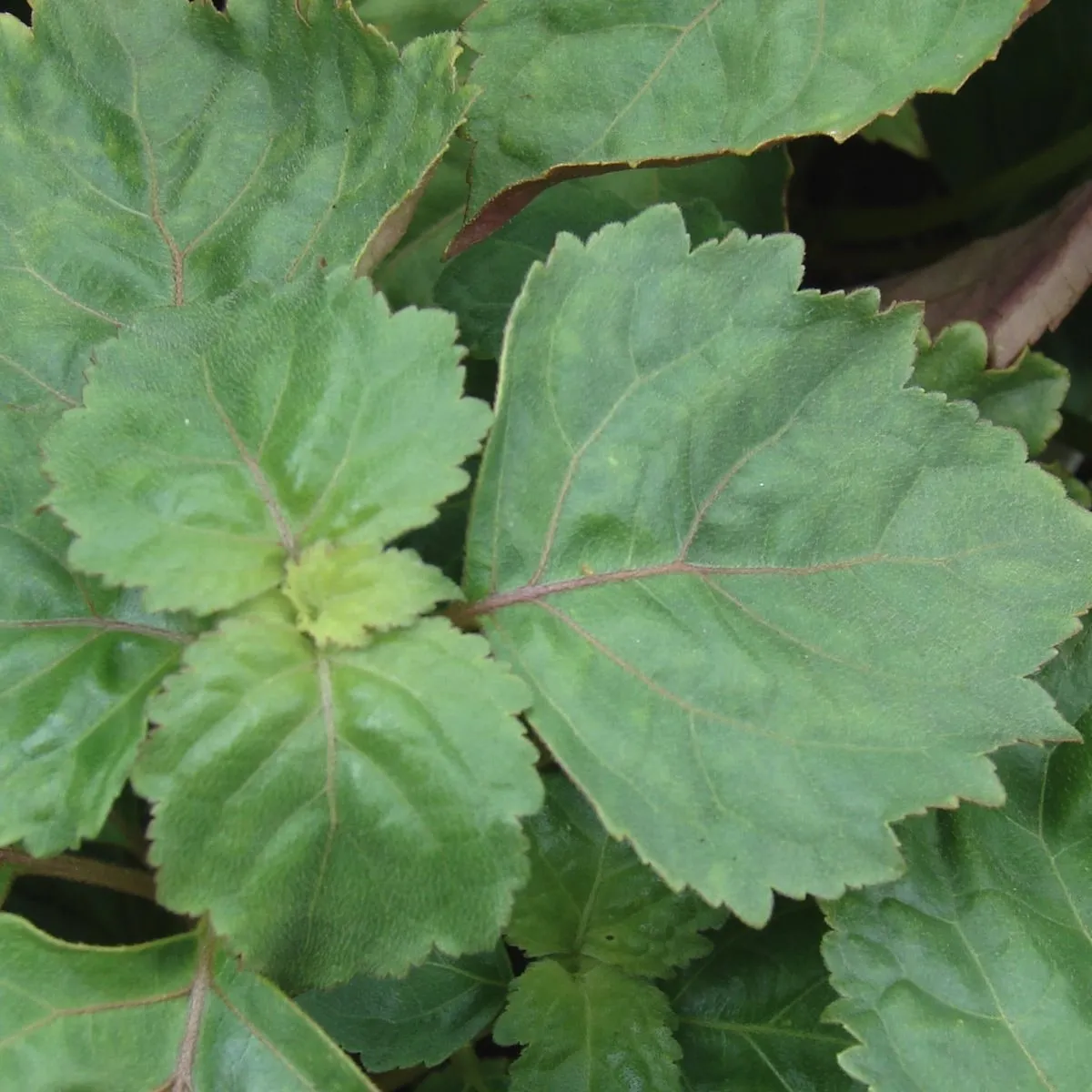
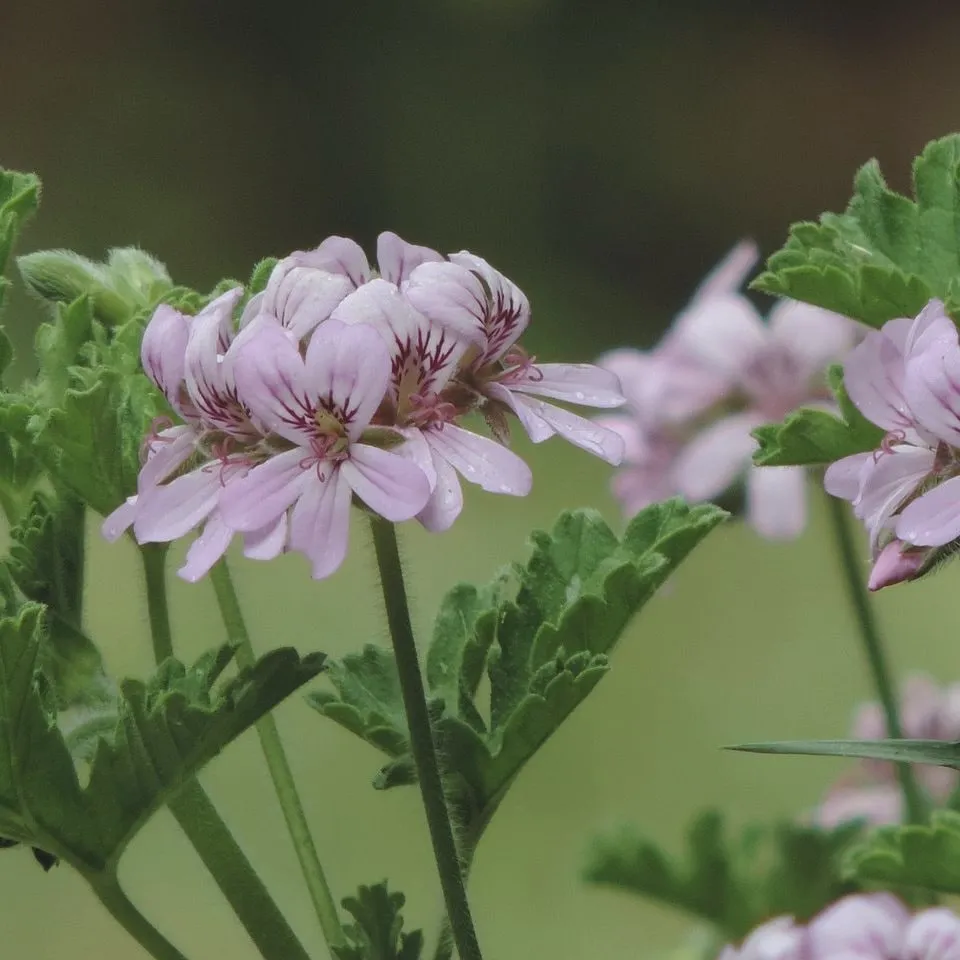
The house names its notes without sorting them into top, heart and base. Notes as published by the house. official source (new tab)
Main accords
Volute’s reading: the intensity of each accord.
Seasons
- Spring
- Summer
- Autumn
Moments
- Day
Eau de Minthé in detail
Diptyque often returns to Greek stories. Eau de Minthé borrows its name from the nymph Minthe and starts from mint to offer a new reading of the fougère, a classic structure in perfumery, usually built on lavender and moss.
The house cites its notes without tiers. Herbaceous, fresh mint leads the composition; geranium gives it a floral, rosy brightness. Patchouli sets down an earthy base, and rose oxide adds a floral, slightly metallic touch. A fougère that keeps all the lightness of an old legend.
Eau de Minthé is a daytime fragrance from spring to autumn: at the office, in town, in warm weather. Its mint keeps the fougère light and modern.
Three fougères in our catalogue come close: Green Irish Tweed by Creed shares mint and geranium; Layton by Parfums de Marly pairs geranium and patchouli; Beach Hut Man by Amouage finds mint and patchouli again in an aromatic register.
Text written with the help of AI, based on official information from the fragrance houses.