
Note · Woods
Clearwood
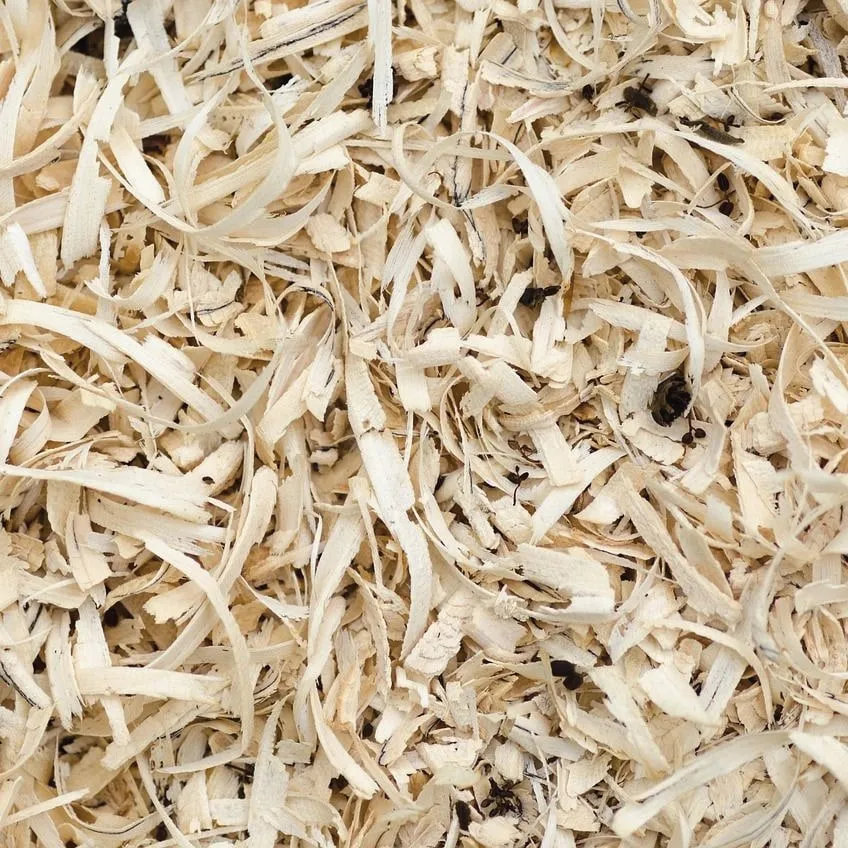
Photo: Goumbik (new tab) / Pixabay (new tab)
Clearwood is a modern woody ingredient recalling a refined patchouli, stripped of its earthy, camphoraceous facets. It brings a clean, luminous wood.
What it brings
A clean, transparent woodiness.
Origins and uses
Clearwood is an ingredient from dsm-firmenich, launched in 2014 and presented by its maker as the first ingredient from so-called "white" biotechnology to enter perfumery. It is produced by fermenting cane sugar, which the maker says comes from a certified sustainable source, followed by bioconversion and distillation. It contains at least 90 per cent patchoulol, the characteristic molecule of patchouli.
Its maker describes it as combining the creamy warmth of amber with a dark woody character reminiscent of patchouli, in a more delicate way. It is used in the heart and base of fragrances, where it blends particularly well with floral bouquets. It complements natural patchouli rather than replacing it.
In our catalogue, Clearwood appears in the base of Hacivat by Nishane, with oakmoss and woody amber notes, in a fruity, luminous chypre.
Text written with the help of AI, based on reference sources: encyclopedias, raw-material manufacturers and official information from the fragrance houses.
Material profile
- Family
- Woods
- Nature
- Synthetic molecule
- Origin
- A woody ingredient obtained by biotechnology.
- How it is obtained
- Laboratory synthesis
- On Volute
- 1 fragrance
The fragrances that reveal it
In the same family · Woods
- Akigalawood
- Ambery cedar notes
- Amyris
- Baobab
- Black hemlock
- Blond woods
- Cade oil
- Cashmeran
- Cashmere wood
- Cedarwood
- Coconut wood
- Cypress
- Cypriol
- Driftwood
- Ebony wood
- Fig wood
- Fir
- Georgywood
- Guaiac wood
- Kingwood
- Lorenox
- Mahogany
- Musky woody notes
- Oak
- Orcanox
- Oud
- Palo santo
- Papyrus
- Patchouli
- Pine
- Pine needles
- Rosewood
- Sandalwood
- Smoked wood accord
- Teak
- Thuja
- Vetiver
- Woody notes