
Note · Woods
Oak
Quercus
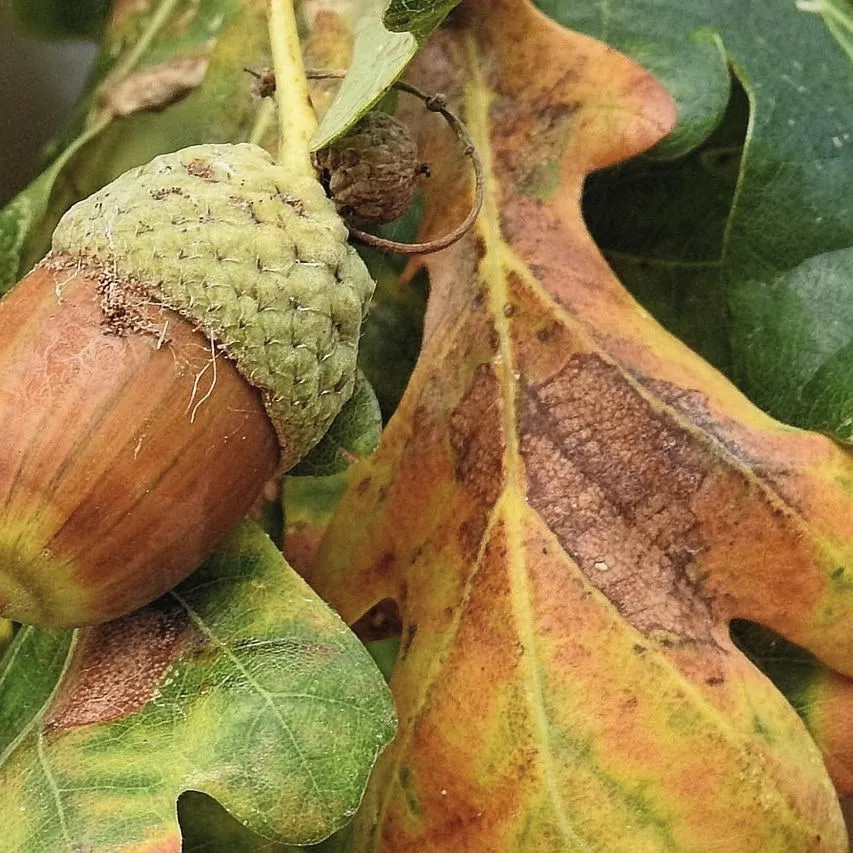
Photo: hansbenn (new tab) / Pixabay (new tab)
Oak absolute smells of an ageing cask: dry wood, vanilla, gentle spices and a hint of whisky.
What it brings
A woody, vanillic depth.
Origins and uses
The oak of perfumery is closely linked to that of coopers. As they age in oak casks, wines and spirits take on compounds from the wood: vanillin, with its vanilla notes; lactones, which evoke coconut; tannins; and, when the cask is toasted, roasted, smoky and spicy notes. Sessile oak (Quercus petraea), with its tight grain, is particularly sought after for these barrels.
In perfumery, an absolute of oak wood is used in particular. It smells of the ageing cask: dry wood, vanilla, soft spices and a hint of brown spirit. It is placed in the heart or base, where it gives depth to gourmand, amber or leather accords.
In our catalogue, oak forms the heart of Angels' Share by Kilian Paris, with cinnamon, beneath a top of cognac; it also accompanies the whisky of Smokin' Gun by Born To Stand Out and Tobacco Vanille Parfum by Tom Ford.
Text written with the help of AI, based on reference sources: encyclopedias, raw-material manufacturers and official information from the fragrance houses.
Material profile
- Family
- Woods
- Nature
- Natural material
- Botanical name
- Quercus
- Origin
- Oak wood absolute (France).
- How it is obtained
- Volatile solvent extraction
- On Volute
- 8 fragrances
The fragrances that reveal it
In the same family · Woods
- Akigalawood
- Ambery cedar notes
- Amyris
- Baobab
- Black hemlock
- Blond woods
- Cade oil
- Cashmeran
- Cashmere wood
- Cedarwood
- Clearwood
- Coconut wood
- Cypress
- Cypriol
- Driftwood
- Ebony wood
- Fig wood
- Fir
- Georgywood
- Guaiac wood
- Kingwood
- Lorenox
- Mahogany
- Musky woody notes
- Orcanox
- Oud
- Palo santo
- Papyrus
- Patchouli
- Pine
- Pine needles
- Rosewood
- Sandalwood
- Smoked wood accord
- Teak
- Thuja
- Vetiver
- Woody notes