
Note · Woods
Black hemlock
Tsuga
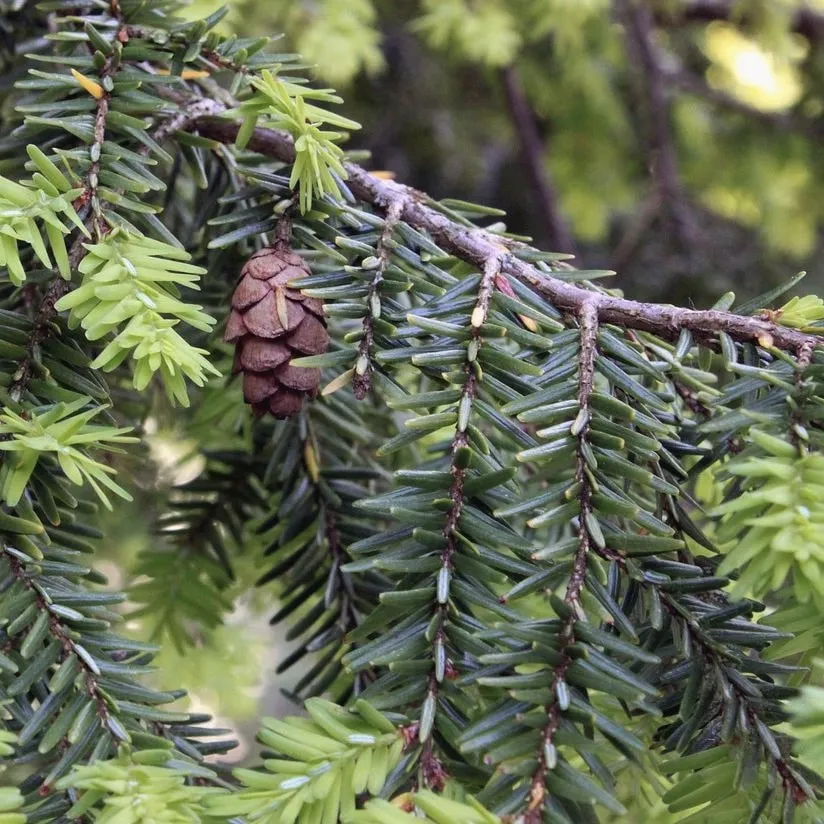
Photo: 905513 (new tab) / Pixabay (new tab)
The hemlock of perfumery is a conifer, the hemlock spruce, not the poisonous plant that shares its English name. Its oil evokes a dark forest: woody, resinous, green, almost smoky.
What it brings
A mysterious woody depth that casts shade over flowers.
Origins and uses
The hemlock of perfumery has nothing to do with the poisonous plant that shares its English name. It refers to the hemlock trees, conifers of the genus Tsuga in the pine family, which are not firs despite being called "Canada fir" in French. There are about ten species in North America and Asia, growing in cool, often rocky places. Their English name is said to come from the smell of their crushed needles, and their bark, rich in tannins, was long used by tanneries.
In perfumery, black hemlock evokes a dark forest: a woody, resinous, green, almost smoky note. Distilled or recreated, it sits in the heart of woody compositions, making them deeper and more mysterious.
In our catalogue, it forms the heart of Ormonde Woman by Ormonde Jayne, with violet and jasmine, above a base of vetiver, cedarwood, amber and sandalwood.
Text written with the help of AI, based on reference sources: encyclopedias, raw-material manufacturers and official information from the fragrance houses.
Material profile
- Family
- Woods
- Nature
- Natural material
- Botanical name
- Tsuga
- Origin
- A conifer of North American forests.
- How it is obtained
- Steam distillationRecomposed by the perfumer
- On Volute
- 2 fragrances
The fragrances that reveal it
In the same family · Woods
- Akigalawood
- Ambery cedar notes
- Amyris
- Baobab
- Blond woods
- Cade oil
- Cashmeran
- Cashmere wood
- Cedarwood
- Clearwood
- Coconut wood
- Cypress
- Cypriol
- Driftwood
- Ebony wood
- Fig wood
- Fir
- Georgywood
- Guaiac wood
- Kingwood
- Lorenox
- Mahogany
- Musky woody notes
- Oak
- Orcanox
- Oud
- Palo santo
- Papyrus
- Patchouli
- Pine
- Pine needles
- Rosewood
- Sandalwood
- Smoked wood accord
- Teak
- Thuja
- Vetiver
- Woody notes