
Guide
Top, heart and base notes: understanding the olfactory pyramid
On every Volute profile, a fragrance's notes are arranged in three tiers: top, heart and base. This “olfactory pyramid” is the most common way of describing a fragrance, and probably the most useful when choosing one. You still need to know how to read it. Here is what each tier tells you, which materials you will most often find there, and three pyramids from our catalogue, illustrated note by note.
Affiliate linksLinks to boutiques will be affiliate links: if you buy after following one, the boutique may pay Volute a commission, at no extra cost to you. How Volute is funded
What is the olfactory pyramid?
A fragrance is not a fixed smell. It is a blend of materials, natural or synthetic, which do not all evaporate at the same speed. The lightest fly off first; the heaviest stay on the skin long after the others. A fragrance therefore changes over the hours, like a landscape shifting with the light.
The olfactory pyramid is a convention for describing that movement. It sorts the notes into three tiers, from the most volatile to the most tenacious: the top, which you smell as soon as you spray; the heart, which gives the fragrance its character; the base, which stays longest and forms the trail. The tip of the pyramid is narrow and its base wide: a pictorial way of saying that the base notes carry the whole structure.
It is a simplification. A perfumer does not compose tier by tier, and a single material can be felt from the first moment to the last. But for someone discovering a fragrance, the pyramid remains the best summary: it tells you how the fragrance begins, what it has to say, and what it will leave behind.
Our advice
On Volute, each fragrance's pyramid uses the notes published by the house itself, on its official website. Every note leads to its page in our notes encyclopedia: its origin, how it is obtained, and what it brings to a fragrance.
Top notes: the first impression
These are the notes you smell first, as soon as the fragrance touches the skin or a blotter. They are made of small, light, volatile molecules that evaporate quickly: this is the most fleeting tier, the one of the first few minutes.
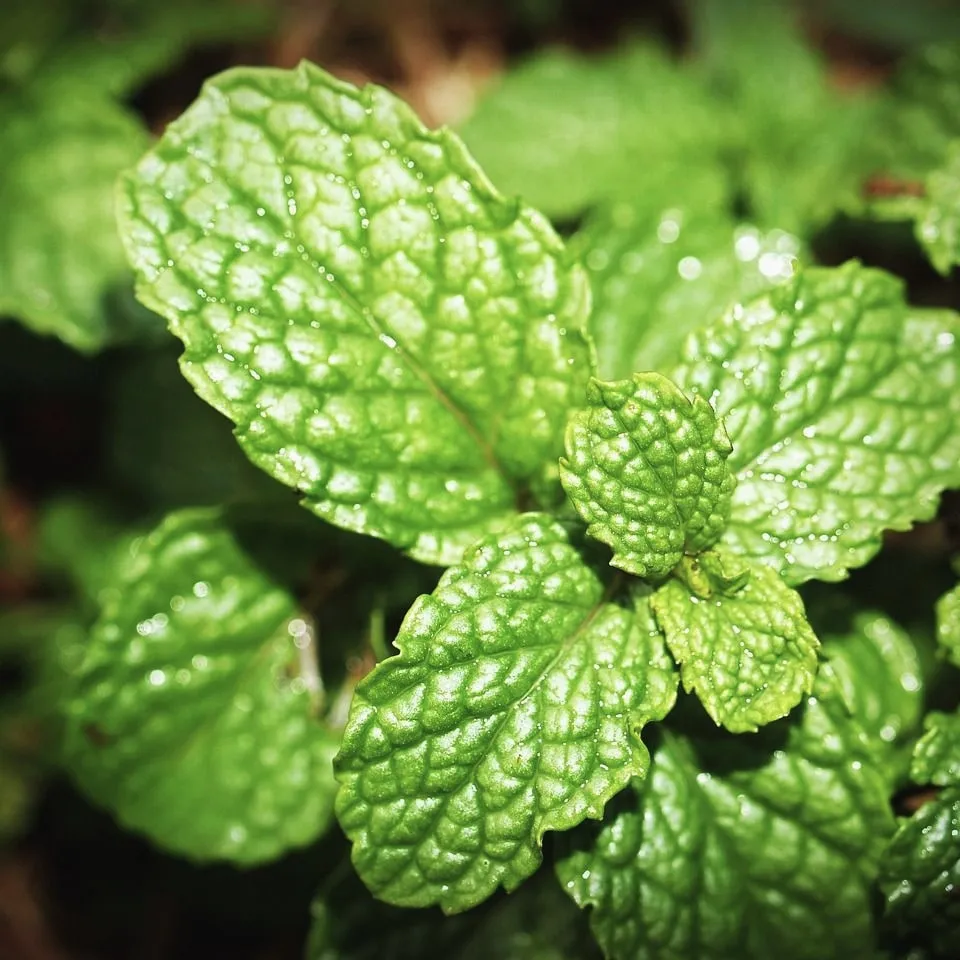
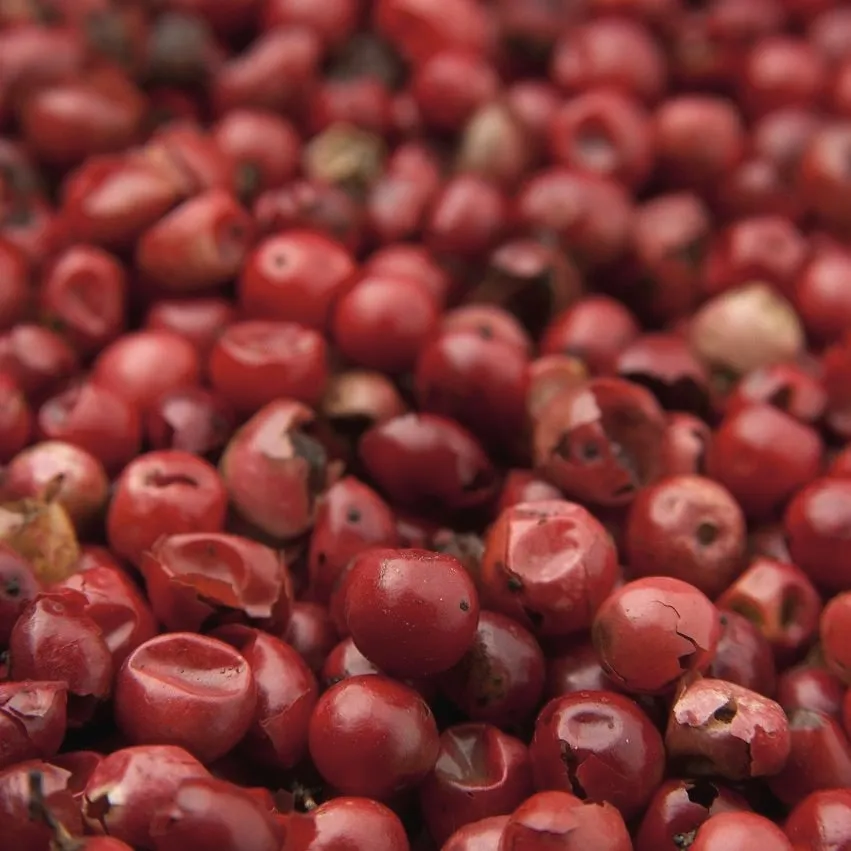
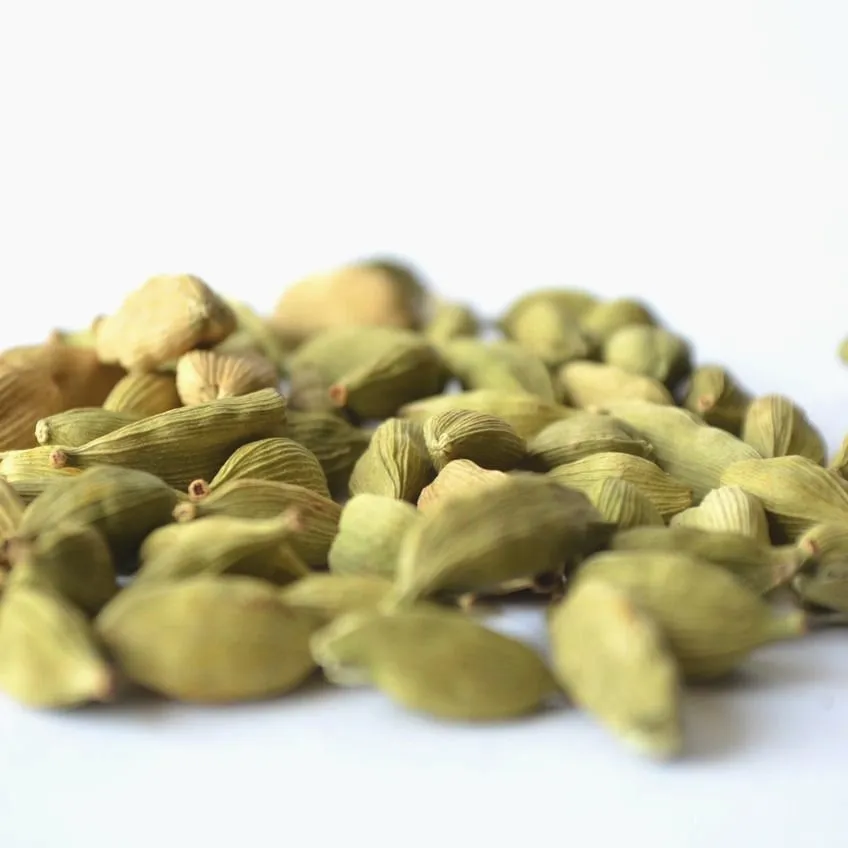
You will mostly find bright, lively materials here. Citrus first, such as bergamot, lemon or mandarin, whose essences are cold-pressed from the peel. Then aromatic notes, such as spearmint or lavender, and fresh spices, such as pink pepper or cardamom, which tingle and wake the whole composition up.
The top plays the part of an overture, in the musical sense: it sets the tone, catches your attention, then fades away. It is also the tier that most often misleads, because we readily judge a fragrance on this first impulse, when it says little about what follows.



Heart notes: the signature
As the top fades, the heart takes its place. This is the richest tier, the one that gives the fragrance its personality and that you will later recognise anywhere. On our profiles, it is presented as “the signature”.
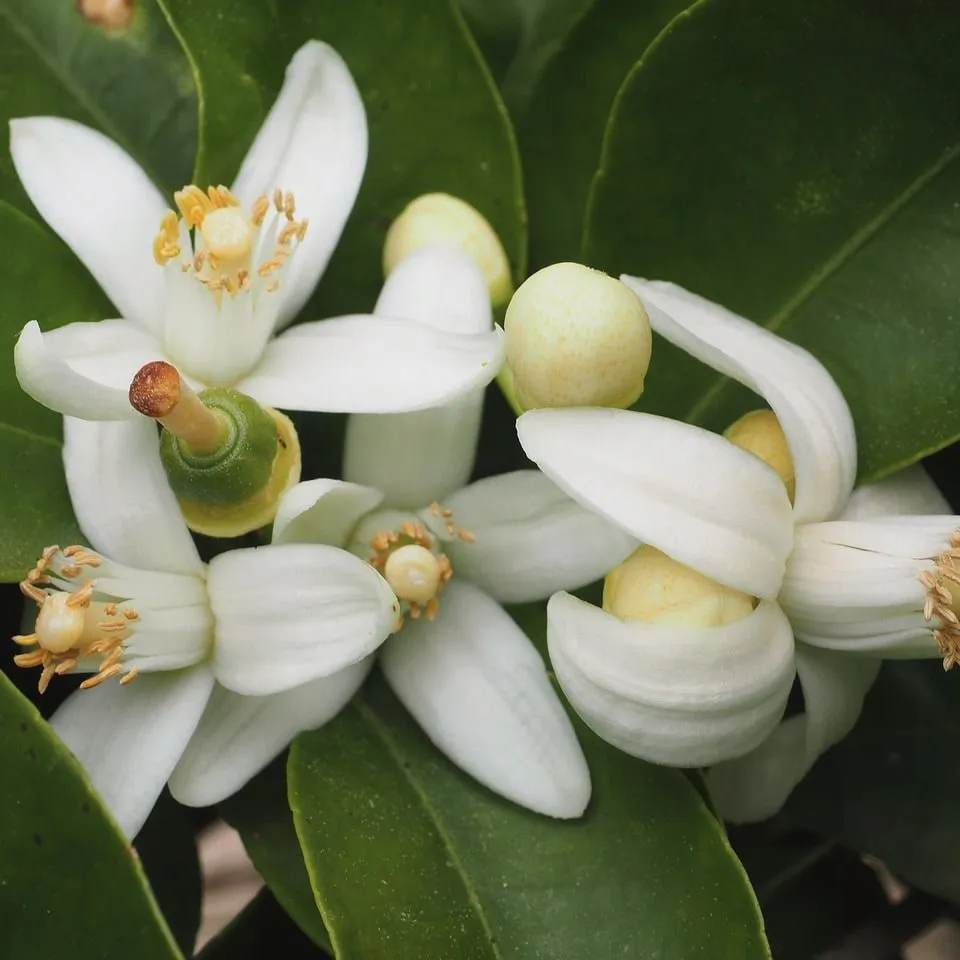
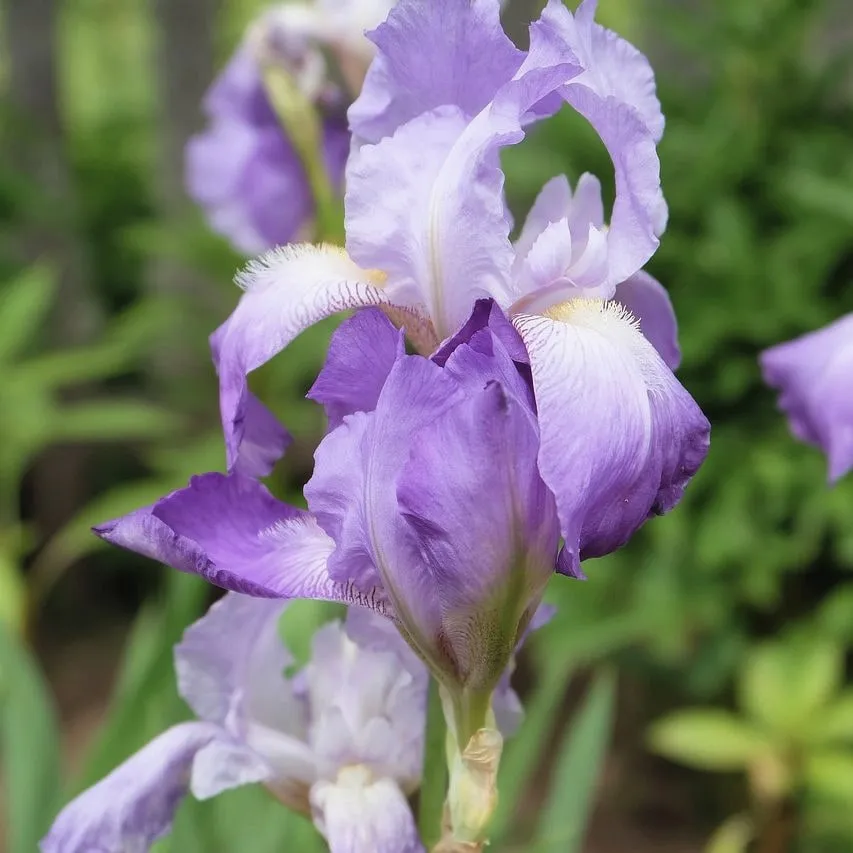
Flowers reign here: rose, jasmine, orange blossom, geranium, but also orris, for which the root rather than the flower is used. You will also meet warmer spices, fruit and aromatic notes such as lavender, which often links the freshness of the top to the depth of the base.
The heart unfolds gently and takes its time. This is the tier to listen to before making up your mind: if you love the heart of a fragrance, the top was only an introduction.




Base notes: the trail
The base is made of the heaviest materials, which evaporate slowly. It is there from the start, discreet beneath the other tiers, until it is eventually left alone. It is the memory a fragrance leaves on the skin, on a scarf, in a room you have just left: the trail.
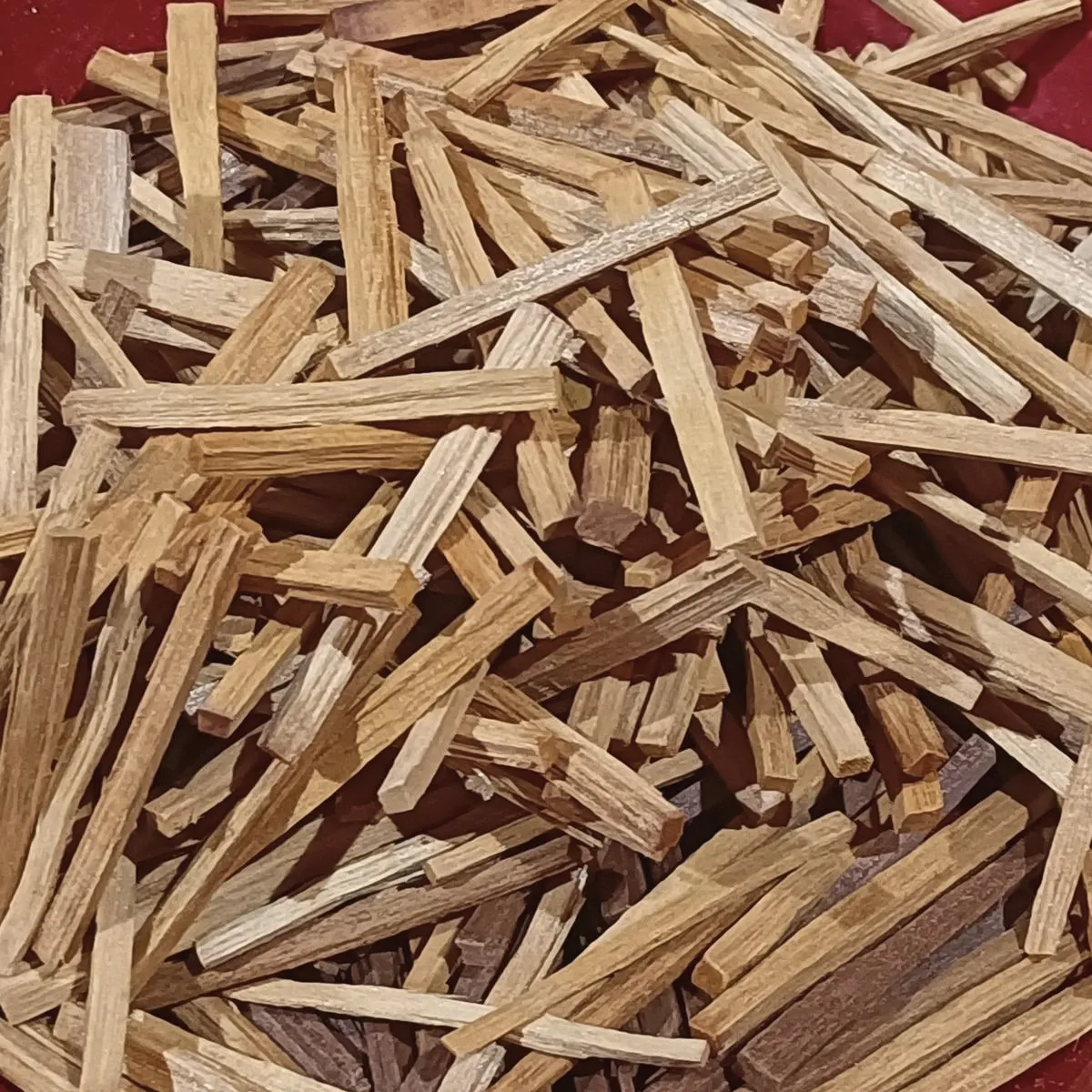
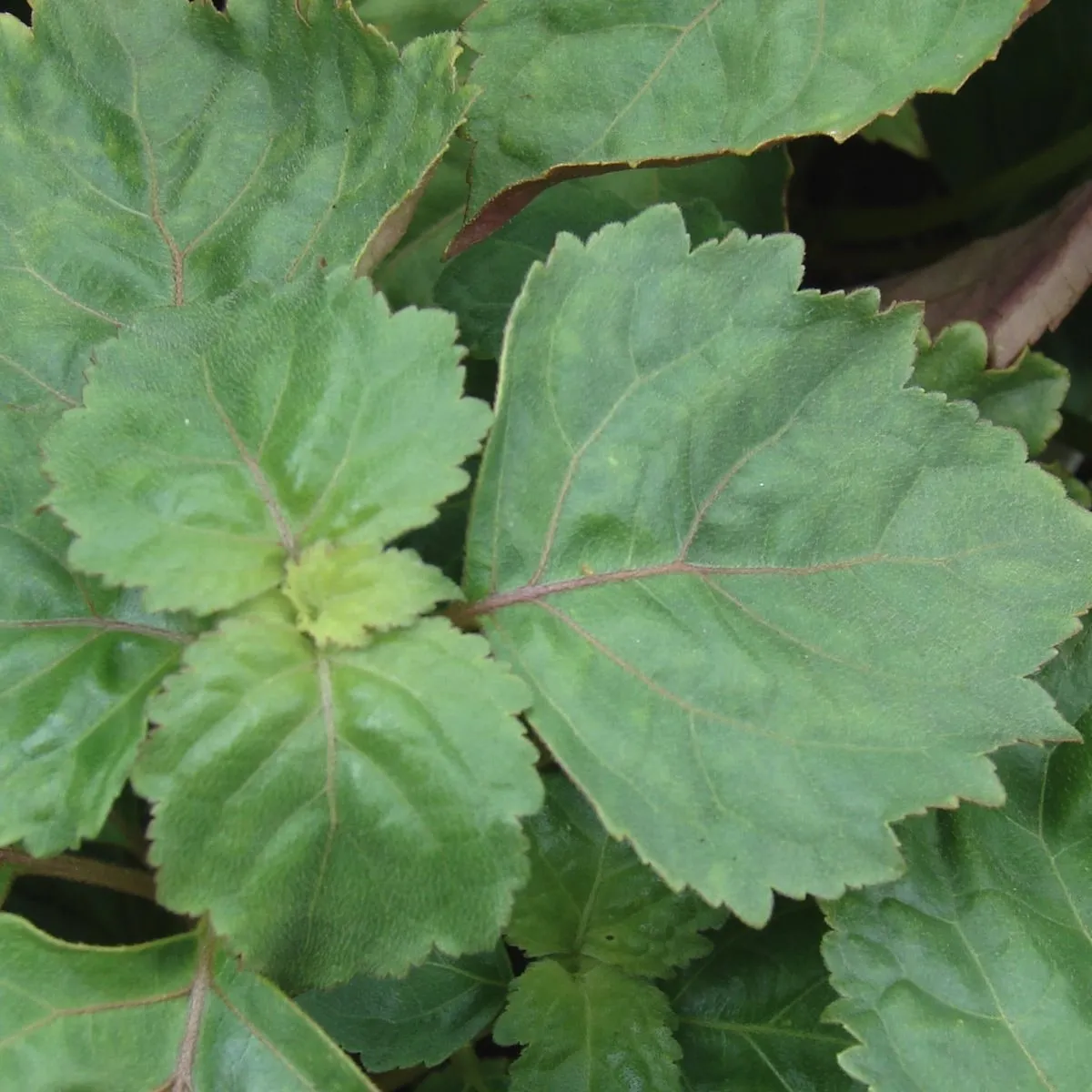
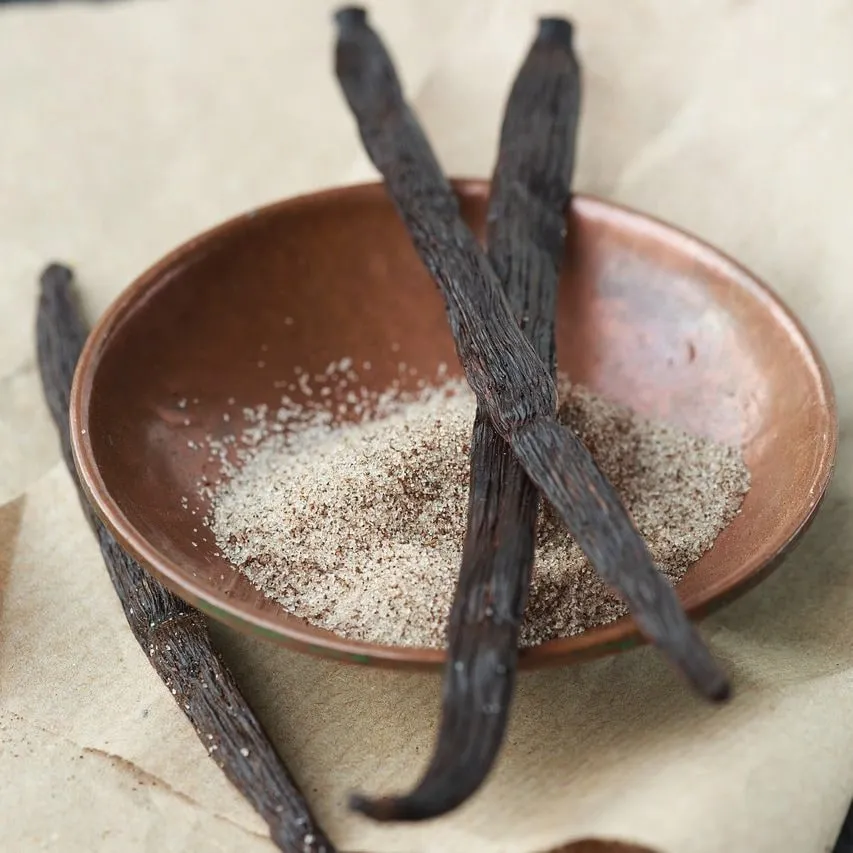
Here you will find woods, such as sandalwood, vetiver or patchouli; resins and balsams, such as incense; gourmand notes, led by vanilla; and musks, which give the whole its softness and its “skin” quality.
The base also plays a technical role: it holds back the more volatile notes and extends their presence. That is why two fragrances that begin in the same way can end very differently. Before buying, take the time to get to know the base: it is the part you will live with longest.



Three pyramids from our catalogue
Nothing beats an example. Here are three fragrances whose house publishes a complete pyramid, chosen from three different families. Read them from top to bottom, the way the fragrance unfolds on the skin.
- TopThe first minutes
- HeartThe signature
- BaseThe trail
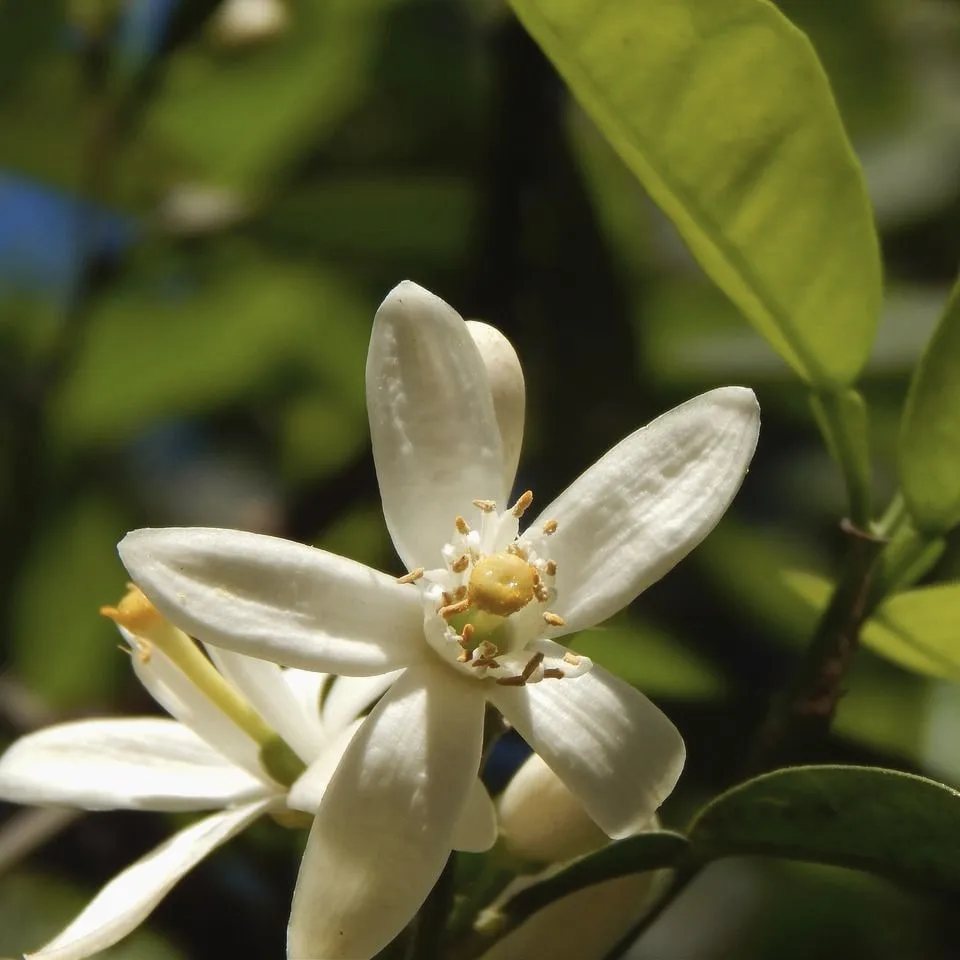




Partner link coming soon
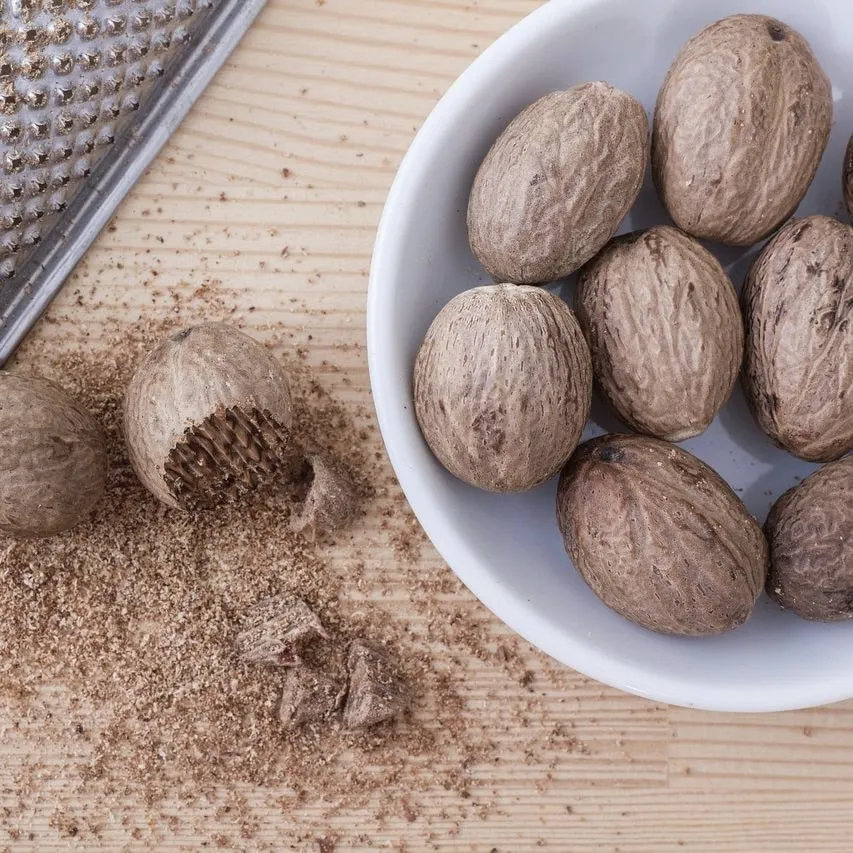
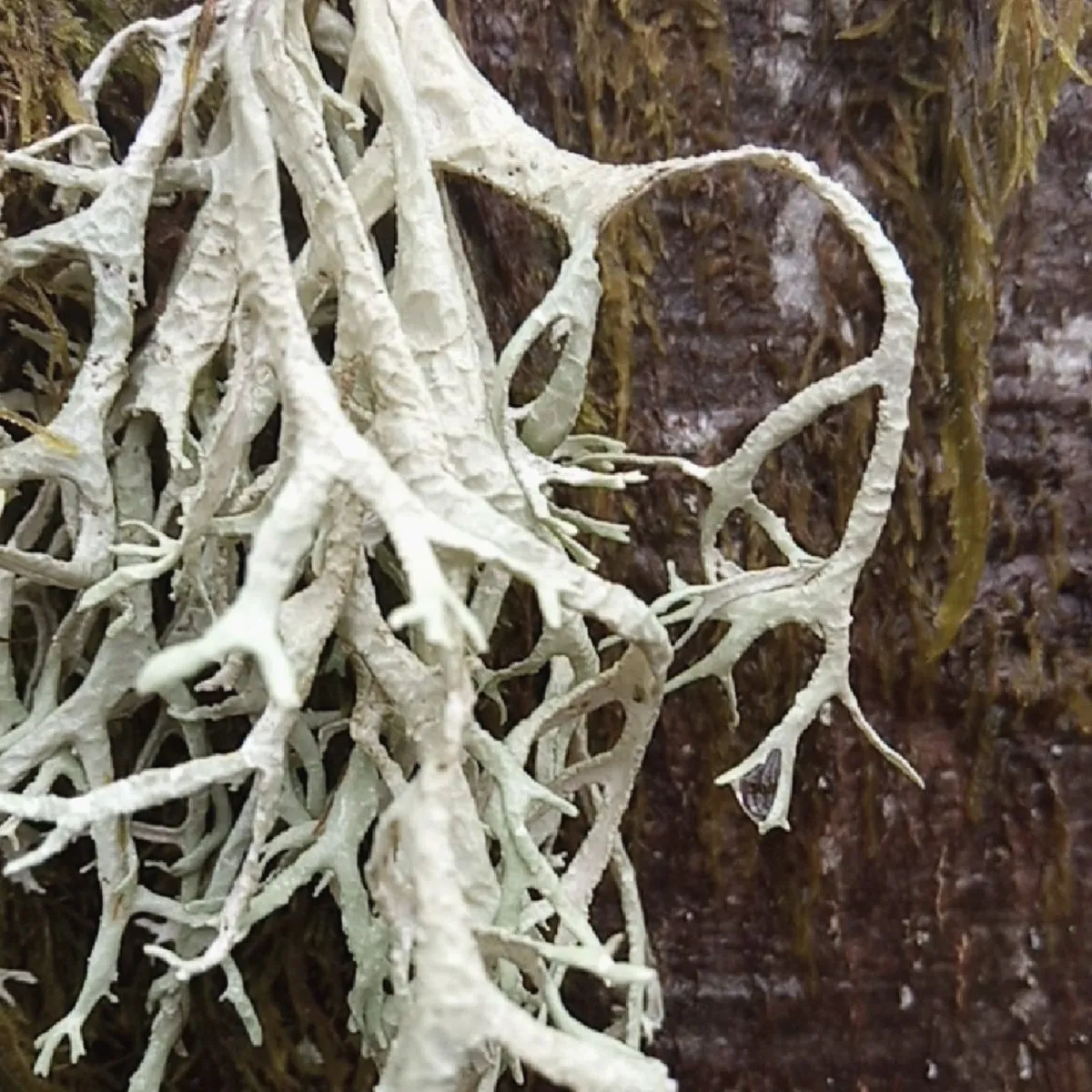
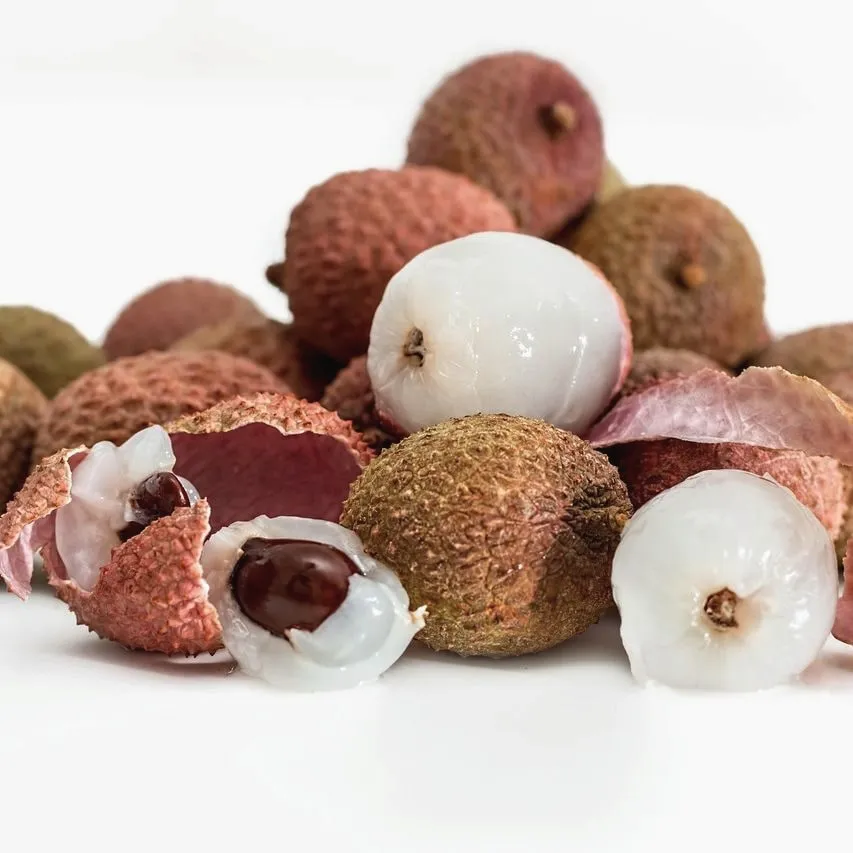
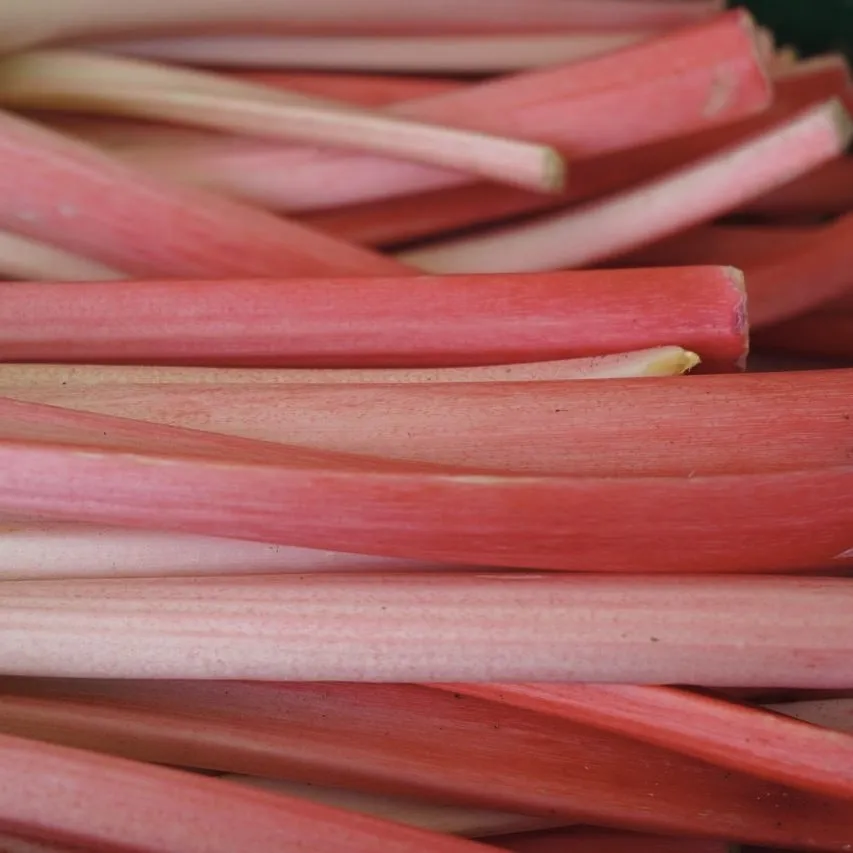
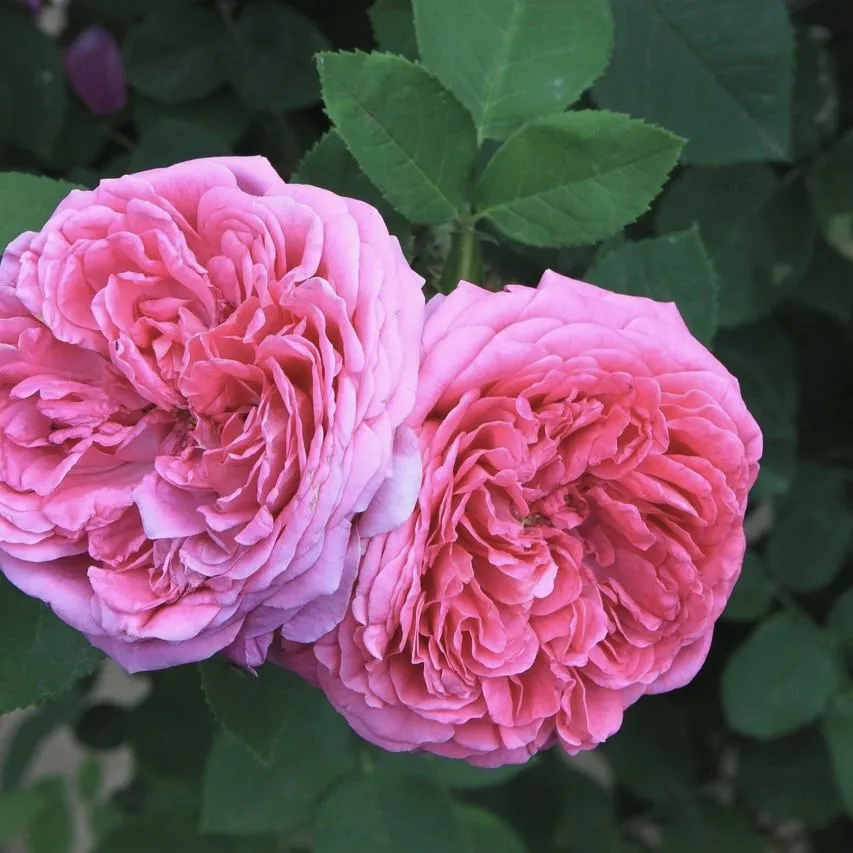
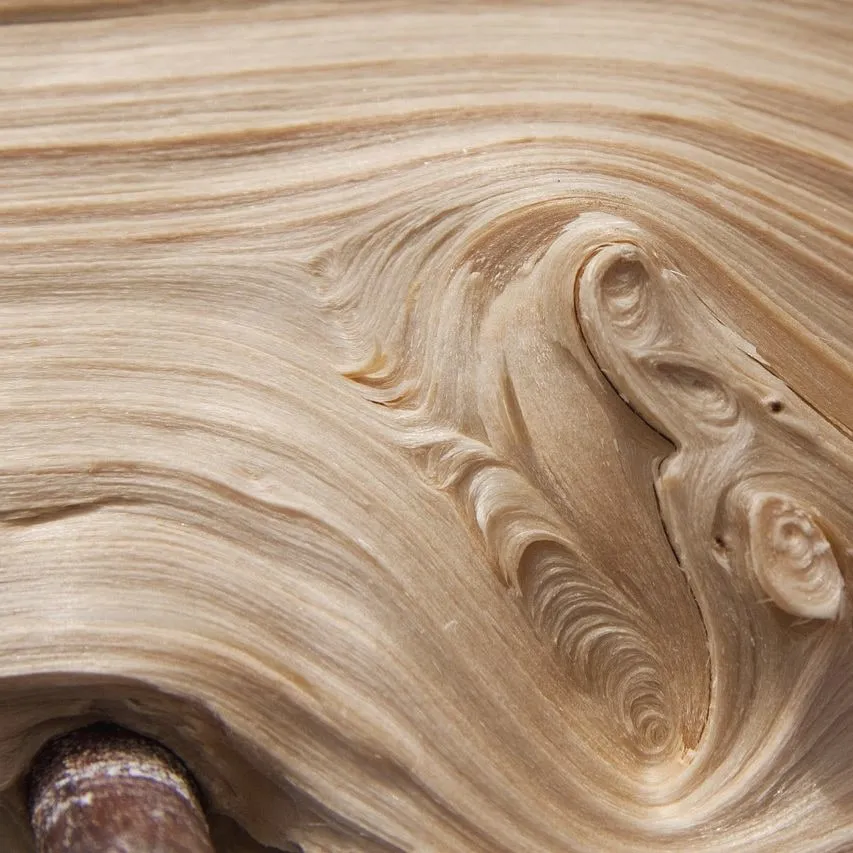
View the profile : No. 89A pyramid often tells of a passage from freshness to warmth. In Delina, fruit dominates the start: lychee, rhubarb, bergamot. Damask rose then arrives at the heart, lifted with nutmeg, before a softer base of cashmere wood, musk and vetiver.
- TopThe first minutes
- HeartThe signature
- BaseThe trail
Partner link coming soon
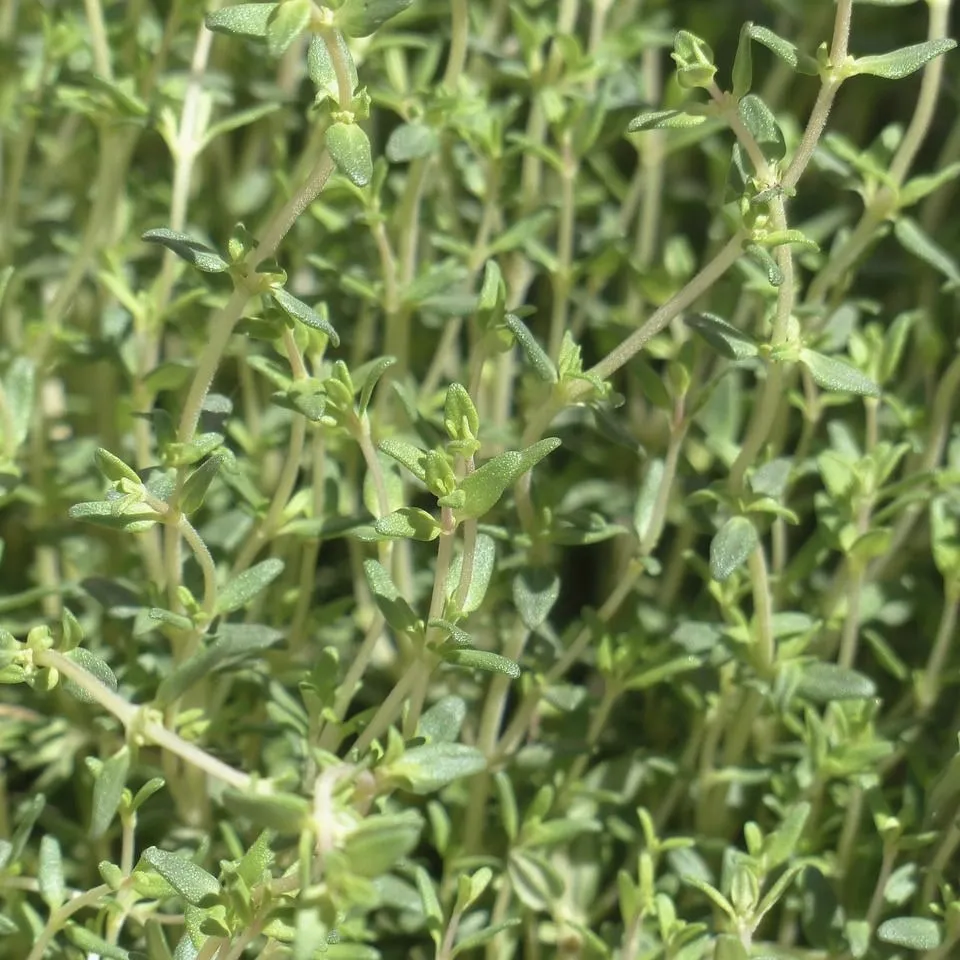
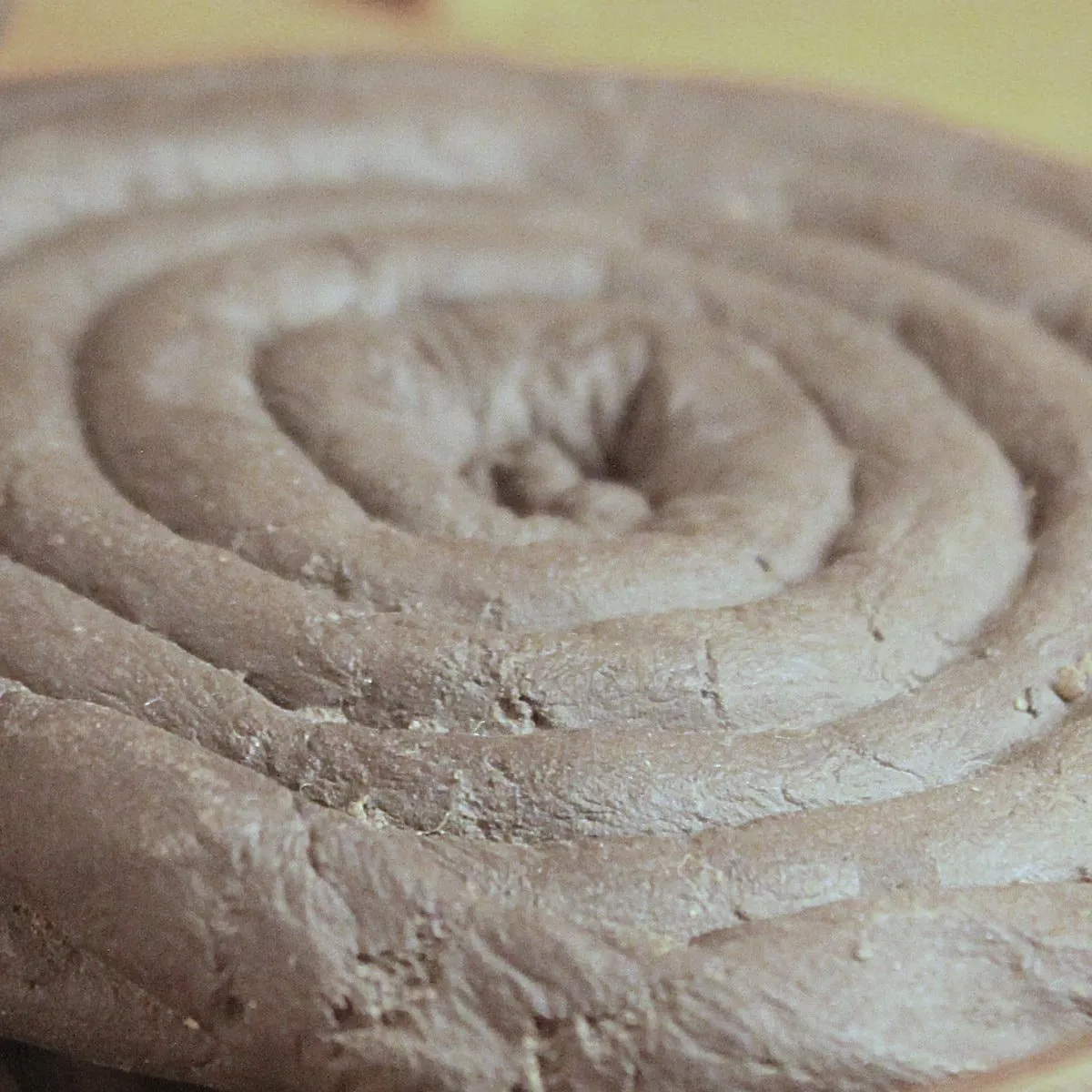
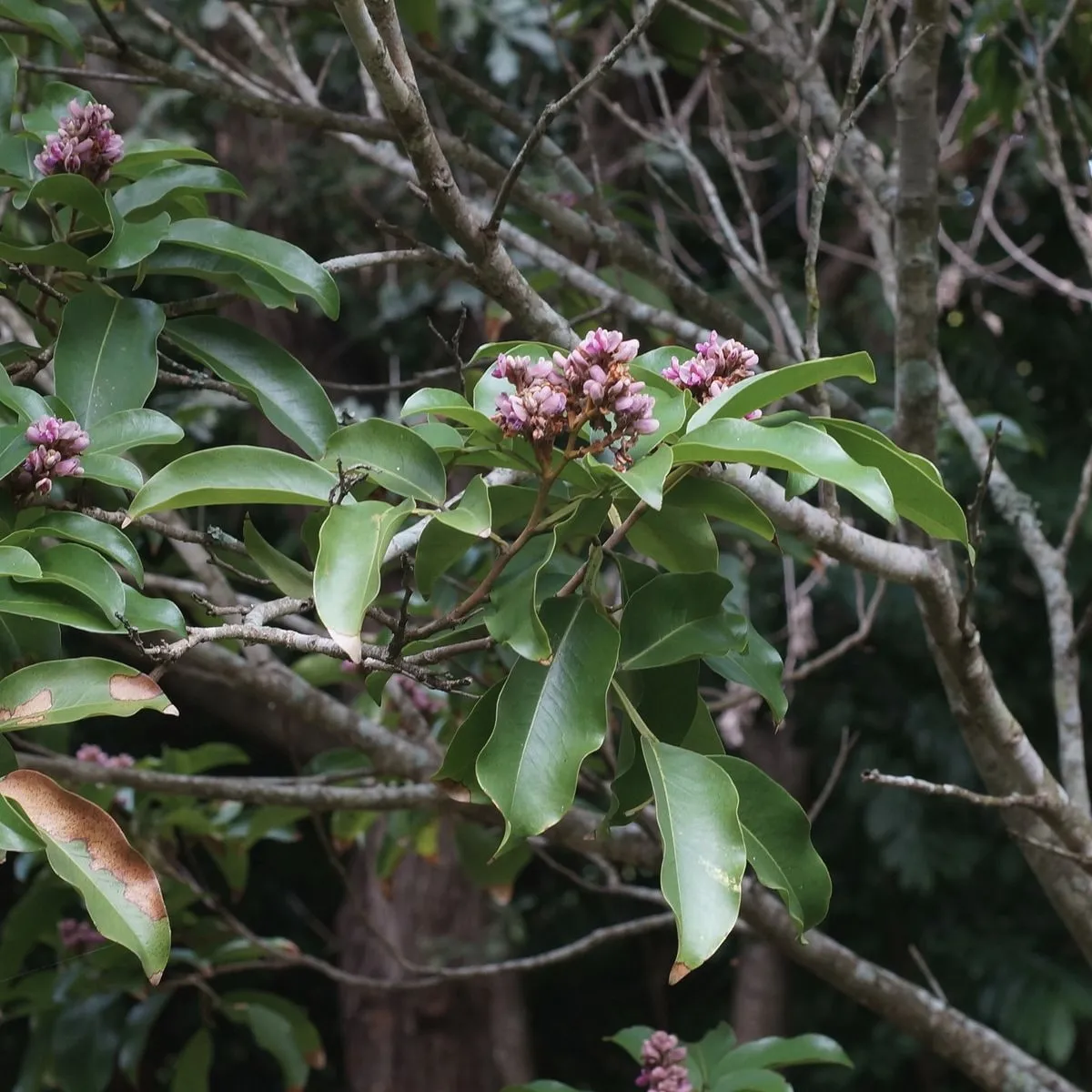
View the profile : DelinaIn an amber fragrance, the balance is reversed: the top is brief and the base takes up all the room. Ambre 114 opens on just two notes, thyme and nutmeg, passes through a heart where flowers and woods mingle, then settles into a base of five warm materials.
- TopThe first minutes
- HeartThe signature
- BaseThe trail
Partner link coming soon
View the profile : Ambre 114When the house does not publish a pyramid
Not every house presents its fragrances the same way. Some name a few materials in a text without ranking them: this is often the case with Dior for La Collection Privée, or with Tom Ford and its “key notes”. Others only detail part of the pyramid: Frédéric Malle, for instance, publishes the top and base notes of Carnal Flower, without the heart.
On Volute, we never reinvent a tier that the house has not published. When the notes are listed without order, the profile simply presents them under the heading “Notes”, with the remark “The house lists its notes without sorting them into tiers”. When a tier is missing, we say so too. It is less spectacular than a complete pyramid, but it is accurate: correct information is better than an attractive construction.
Reading a pyramid to choose a fragrance
Start with the base. This is the tier that will stay with you the longest. If you do not like vanilla or patchouli, a fragrance built on them may tire you, even if its top enchants you.
Look for the notes you already love. If a fragrance you wear contains orris or sandalwood, that note's page shows you every fragrance in our catalogue that contains it, with the tier where it appears. It is an excellent way into houses you do not know yet.
Look at the family and the accords. The pyramid lists materials; the olfactory family and the accords, shown on every profile, describe the overall impression. The same note can serve a fresh fragrance or a dark one, depending on what surrounds it.
Remember that the names are images. Some notes refer to a precise material, others to an evocation: “marine notes” contain no seawater, and a “leather” accord is reconstructed by the perfumer. Our encyclopedia always specifies whether it is a natural material, a synthetic molecule or an accord.
Our advice
A pyramid can be read, but a fragrance has to be smelled. Use it to make a first selection, then try the fragrances you have shortlisted on your skin, giving the base time to appear. Our guide How to test a niche fragrance before buying it explains how to go about it.
Pyramids taken from our profiles, based on the notes published by the houses on their official websites. Guide written with the help of artificial intelligence, from the information published by the houses. Links to our partner boutiques are coming soon.
More guides
Sandalwood in perfumery: everything you need to know
A rare tree, a creamy, milky wood, and ten sandalwoods, from the freshest to the darkest.
Vetiver in perfumery: everything you need to know
A grass with deep roots, a woody, earthy essence, and ten vetivers, from the freshest to the darkest.
Love Acqua di Giò? Niche fragrances to discover
Eight original creations from other houses that share Acqua di Giò's marine notes, citrus or woods.