
Guide
How to make your fragrance last longer
Nothing is more frustrating than a fragrance you can no longer smell by mid-morning. Part of the answer lies in the choice itself, part in a few everyday habits: how you prepare your skin, where you spray, how you store your bottles. This guide explains why a fragrance fades, then gathers simple, tried-and-tested advice. You will find no promised duration here: a fragrance's longevity varies too much with the skin, the climate and the amount applied to be summed up in a figure.
Affiliate linksLinks to boutiques will be affiliate links: if you buy after following one, the boutique may pay Volute a commission, at no extra cost to you. How Volute is funded
Why a fragrance fades
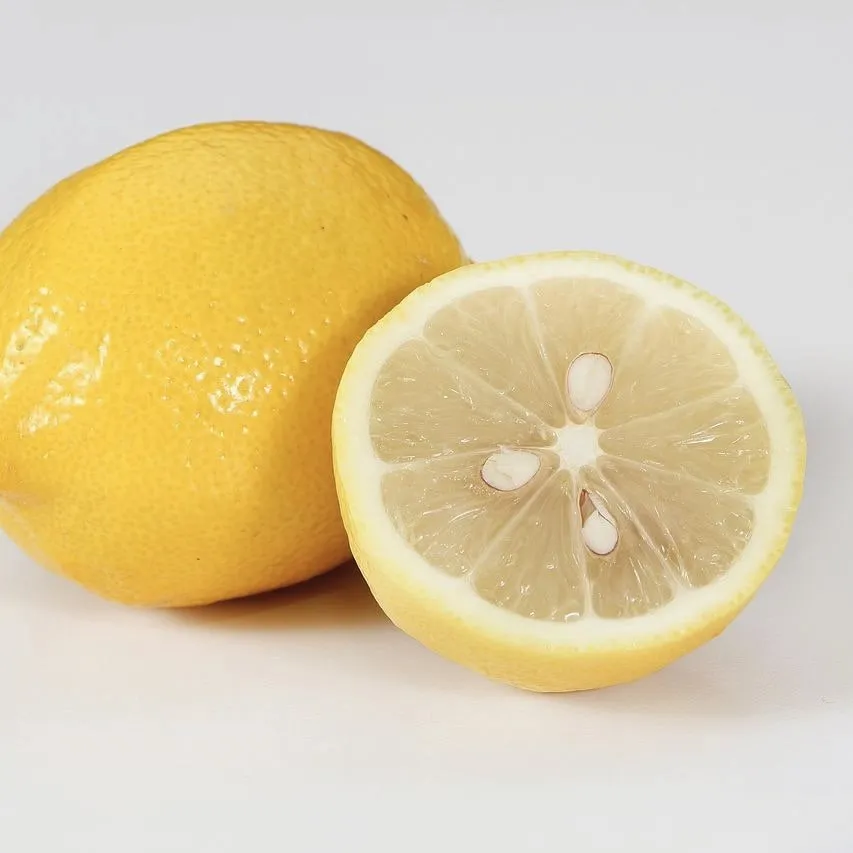
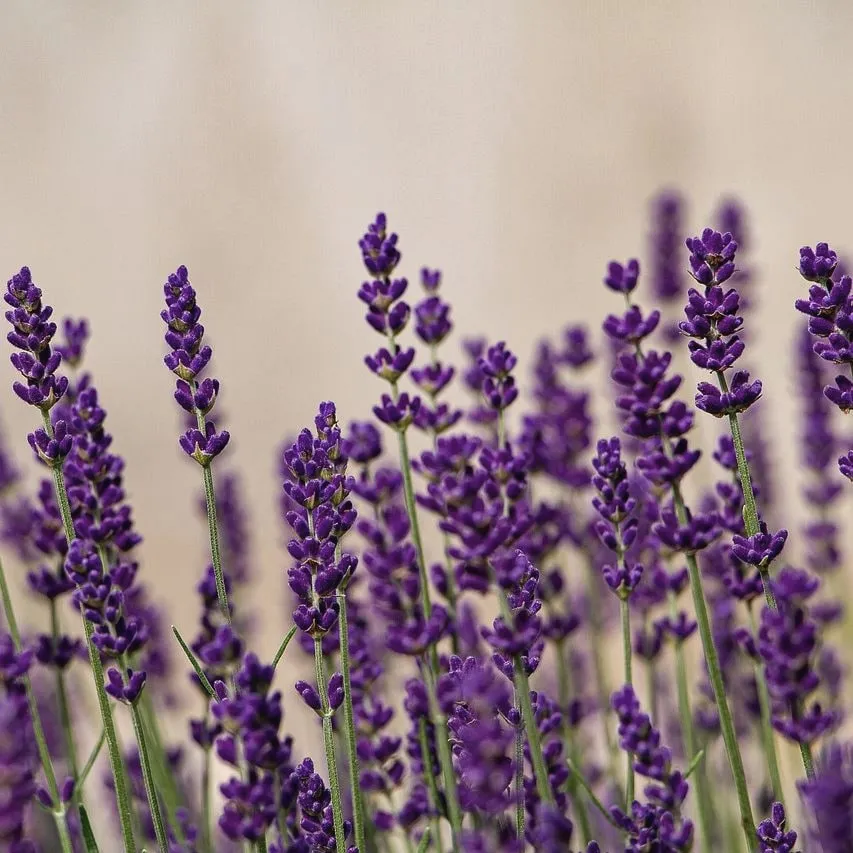
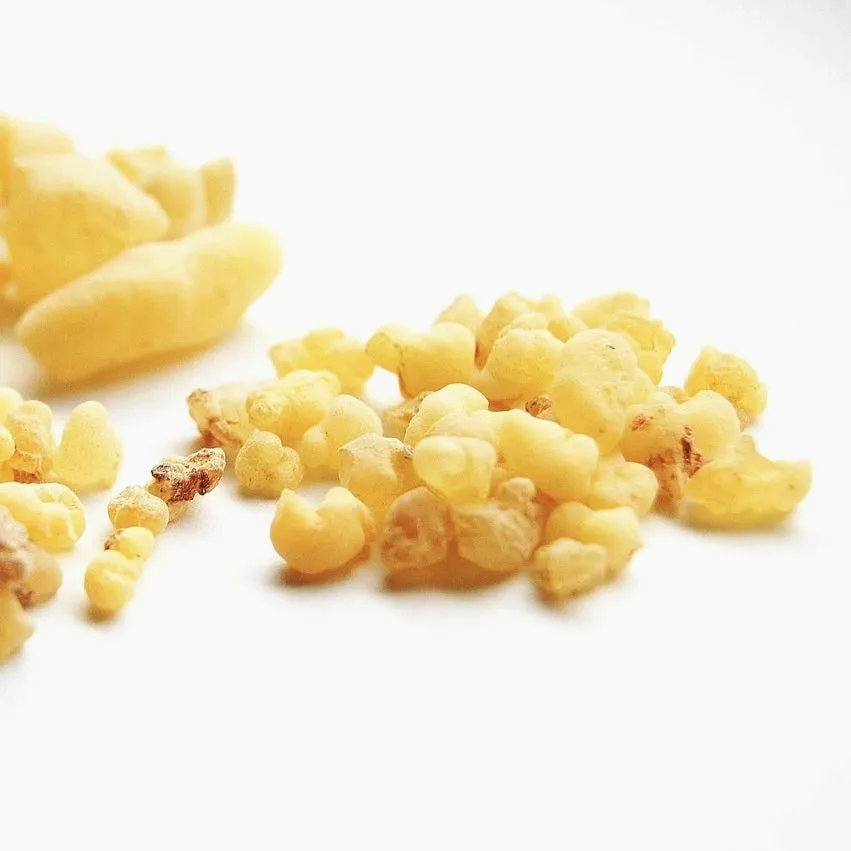
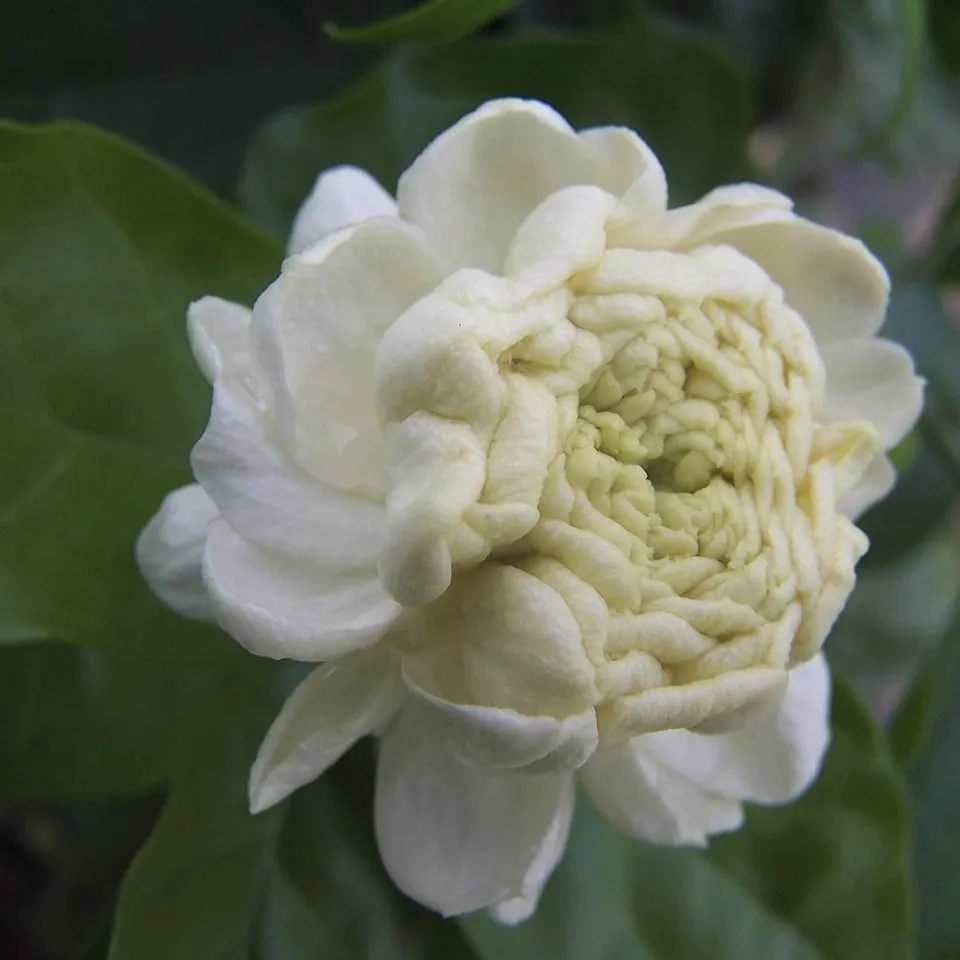
A fragrance is a blend of materials that do not all evaporate at the same speed. The lightest, such as citrus, fly off first: these are the top notes. Then come the flowers and spices of the heart, then the heaviest materials, woods, resins, musks, vanilla, which form the base and stay the longest. Our guide Top, heart and base notes details this evolution.
Longevity therefore depends first on the composition. It also depends on the concentration of fragrant materials, on the skin (more or less dry, more or less warm), on the temperature and the surrounding air, and of course on the amount applied. That is why the same fragrance can seem to last on one person and fade quickly on another.
- TopThe first minutes
- HeartThe signature
- BaseThe trail

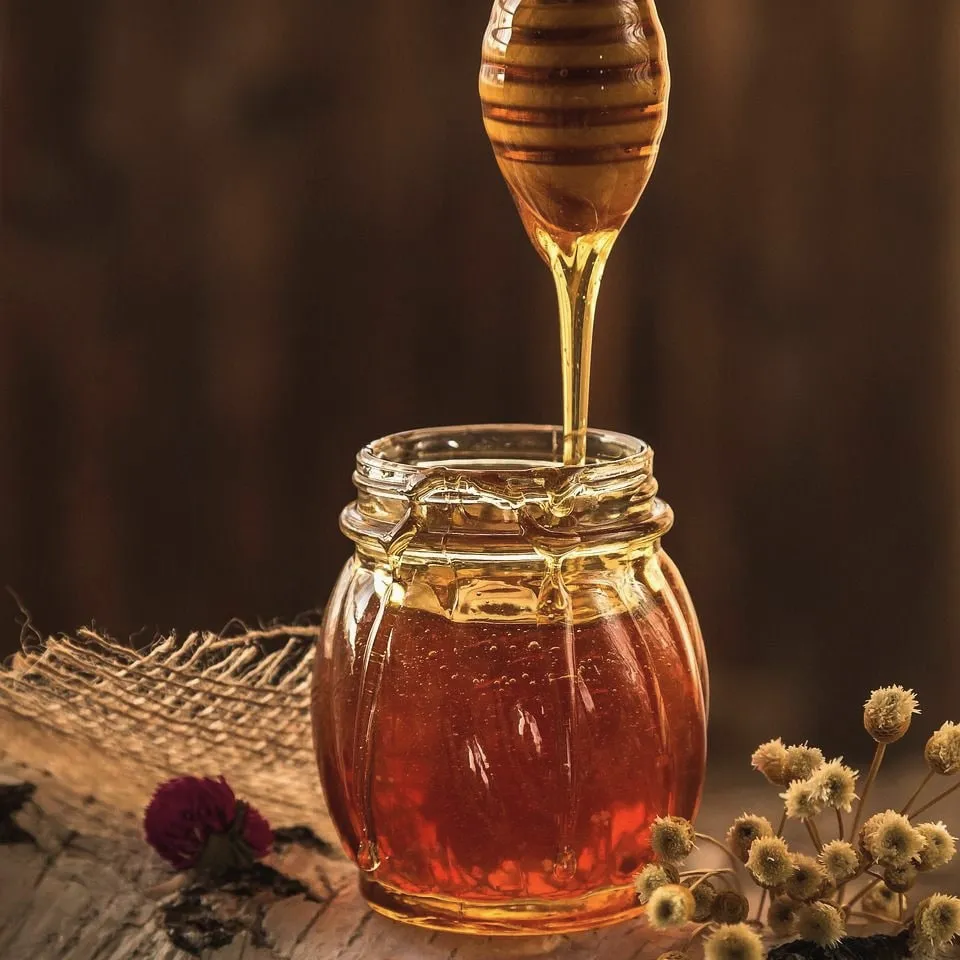
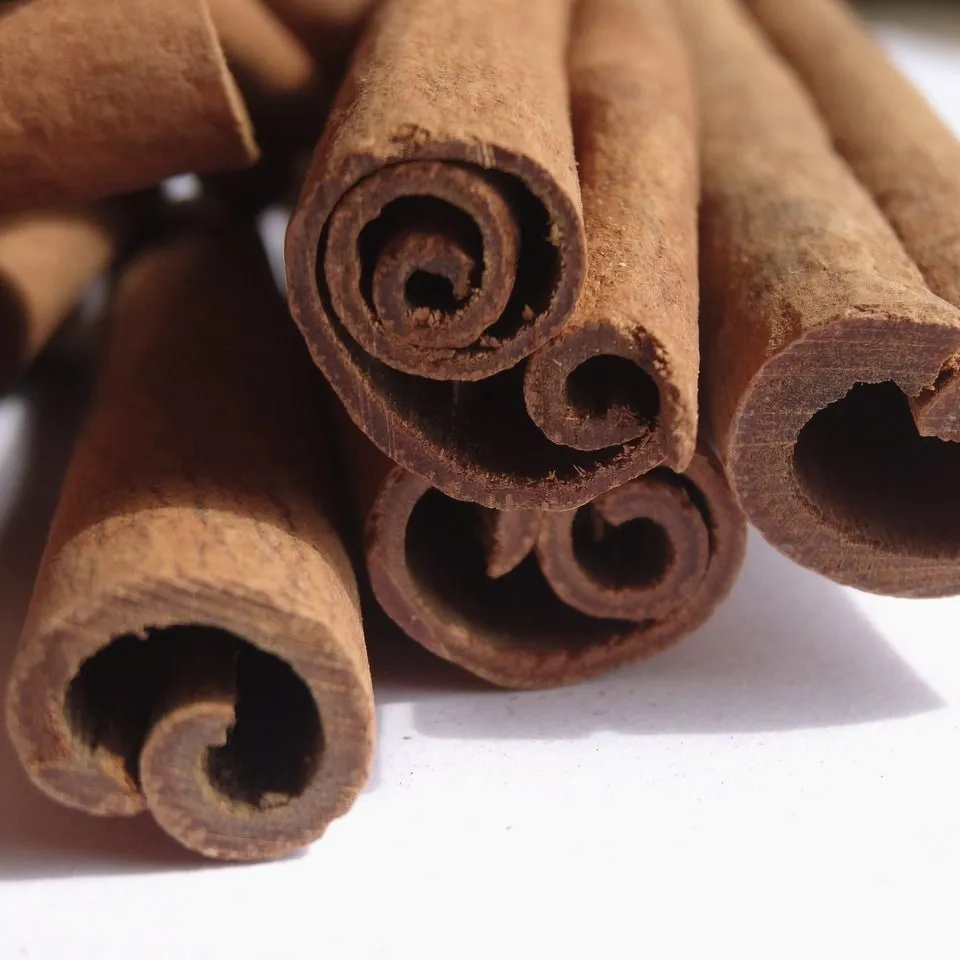
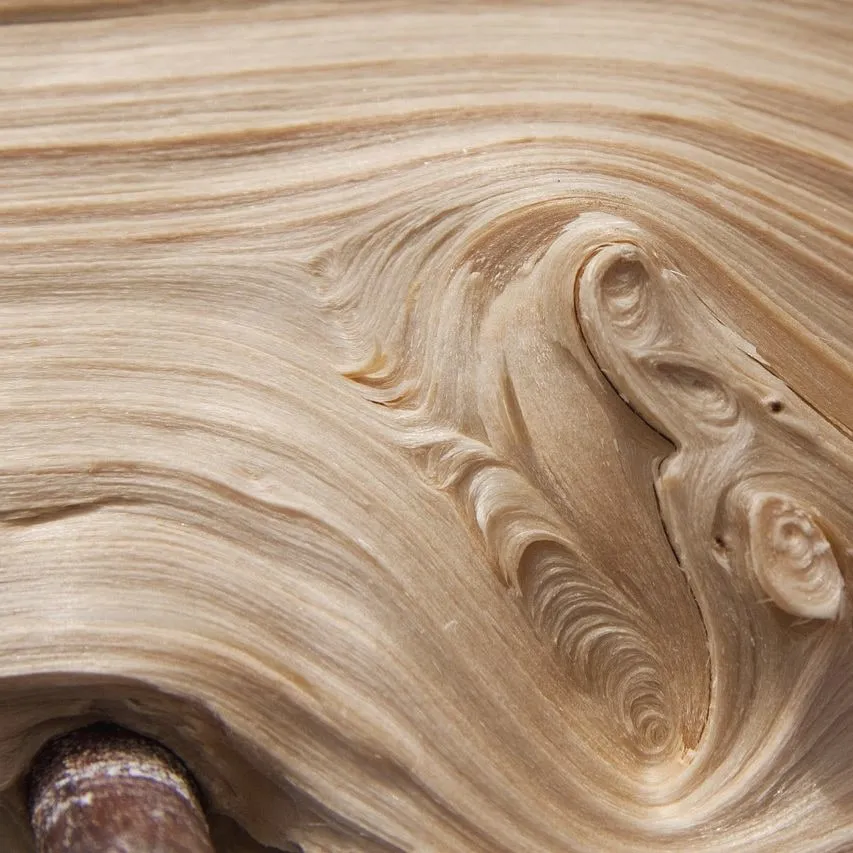
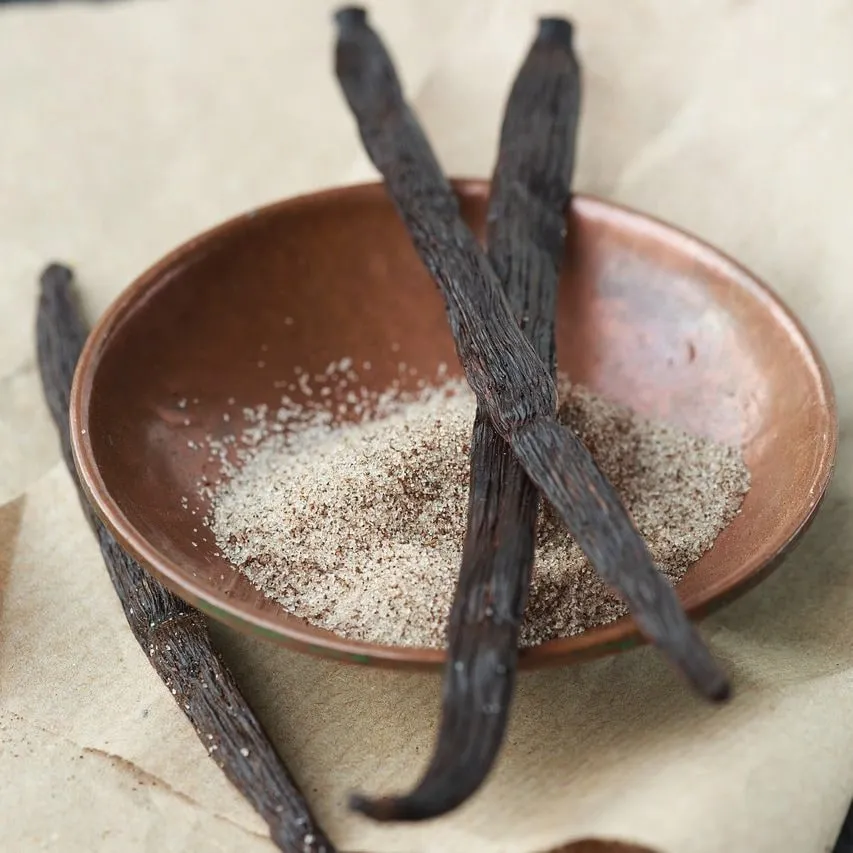
Partner link coming soon
View the profile : NaxosChoosing well is half the battle
Look at the concentration. An eau de Cologne or an eau de toilette contains fewer fragrant materials than an eau de parfum or an extrait. At Tom Ford, for example, Tobacco Vanille exists as an eau de parfum and, under the name Tobacco Vanille Parfum, in a more concentrated, reworked version. Our guide Eau de toilette, eau de parfum, extrait compares the two.
Look at the base. A fragrance built on woods, resins, musks or vanilla keeps these materials longer than a composition made almost entirely of citrus. Our selection Niche fragrances known for their longevity presents several, without ever promising a duration.
Accept the nature of fresh fragrances. An eau de Cologne such as Acqua di Parma's Colonia is made to burst out and then fade: that is its very purpose. Rather than asking it to last, it is happily renewed during the day.
Preparing the skin
Moisturise before applying fragrance. It is one of the most widespread pieces of advice among professionals: dry skin holds fragrant materials less well than moisturised skin. Apply an unscented cream or lotion, so as not to mix smells, a few minutes before putting on your fragrance.
On clean skin. The best moment is just after a shower, once your skin is dry: the fragrance settles there without mingling with the previous day's smells.
Keep to the same family of smells. A strongly scented shower gel, deodorant or cream competes with your fragrance. Choose neutral products, or the ones the house offers in the same scent when it does.
Where and how to apply
On warm areas. The base of the neck, the nape, the inside of the wrists, the crook of the elbows: the warmth of the skin there helps the fragrance diffuse. Spray from a few centimetres away, without pressing the bottle to the skin.
Without rubbing. Rubbing your wrists together achieves nothing: the gesture warms the skin and rushes the top notes, the most fragile ones. Let the fragrance dry on its own.
On fabric, with care. A fragrance often lingers longer on a scarf or a garment than on the skin, but it does not evolve in the same way there. Some coloured fragrances can stain pale or delicate fabrics: try a hidden area first.
In the hair, barely. Hair holds on to smells well, but the alcohol in a fragrance can dry it out. A light mist sprayed from a distance, or onto your hairbrush, is enough.
Take a small size with you. To renew a fragrance during the day, a travel spray or a small bottle offered by the house saves carrying the large one. A single spray around midday revives the fragrance without making it heavy.
Our advice
If your fragrance seems to disappear, ask someone close to you whether they can still smell it before reapplying. After a few minutes, the nose gets used to an unchanging smell and almost stops perceiving it: your fragrance is often still there, it is just you who can no longer smell it.
Storing your bottles well
A damaged fragrance first loses its top notes, then changes character. Three enemies lie in wait: light, heat and air.
Out of the sun. Keep your bottles in their box or in a cupboard, never on a windowsill.
Away from changes in temperature. The bathroom, warm and humid, is one of the worst places to store a fragrance. A bedroom or a temperate room suits it better.
Tightly closed. Put the cap back after each use, and avoid decanting the fragrance more than necessary: every contact with air wears it down a little.
Three misconceptions
“The more you apply, the longer it lasts.” A larger dose makes the fragrance more present, for you and for others, but it does not turn a light fragrance into a tenacious one: its top notes fly off just as fast. A measured gesture, renewed if needed, is better.
“An expensive fragrance necessarily lasts longer.” Longevity depends on composition and concentration, not on price or on the house's reputation. A prestigious eau de Cologne is still an eau de Cologne.
“If I can no longer smell it, it has gone.” As our tip above explains, the nose gets used to its own fragrance. The people around you often notice it long after you do.
To choose a fragrance that stays with you all day without bothering anyone, our guide Discreet niche fragrances for the office offers suitable ideas and habits; for a first purchase, see Your first niche fragrance: where to start?, and to try before you buy, How to test a niche fragrance.
General advice, valid for most fragrances; no longevity duration is given, as it varies with the skin, the climate and the amount applied. Notes and concentrations taken from our profiles (the houses' official websites). Guide written with the help of artificial intelligence. Links to our partner boutiques are coming soon.
More guides
Sandalwood in perfumery: everything you need to know
A rare tree, a creamy, milky wood, and ten sandalwoods, from the freshest to the darkest.
Vetiver in perfumery: everything you need to know
A grass with deep roots, a woody, earthy essence, and ten vetivers, from the freshest to the darkest.
Love Acqua di Giò? Niche fragrances to discover
Eight original creations from other houses that share Acqua di Giò's marine notes, citrus or woods.